

Fragrance Buddy Blog
About Our Blog
Practical guides, fragrance insights, and small-business tips designed for makers and entrepreneurs. From candle and soap tutorials to scent education and growth strategies, the Fragrance Buddy Blog helps you create better products, attract customers, and build a thriving handmade business all while connecting you with high-quality fragrances and business supplies!

Featured Candle Article

Does wick size even matter at all? Although fragrance, wax, and containers are usually what most makers think of first when they make candles, wicks are just as important as any other candle compon...
Candle Articles
Beginner Candle Making Kit: What You Actually Need (And What You Don’t)
New to candle making? This beginner kit guide breaks down what you actually need to get started, including wax, wicks, fragrance oils, containers, and optional tools.

Candle Making Terms Explained for Newbies
Confused by candle making terms? This beginner-friendly guide explains hot throw, cold throw, melt pool, cure time, fragrance load, tunneling, and more in simple language.

How to Make Stronger Smelling Candles
Learn how to make stronger smelling candles with tips on wax choice, fragrance oils, wick selection, temperature control, curing, and fragrance load balance.
Fast Formulation with Fragrance Calculators
Want to calculate fragrance load, calculate your candle batch size, and determine your profit margin?
Featured Soap Article
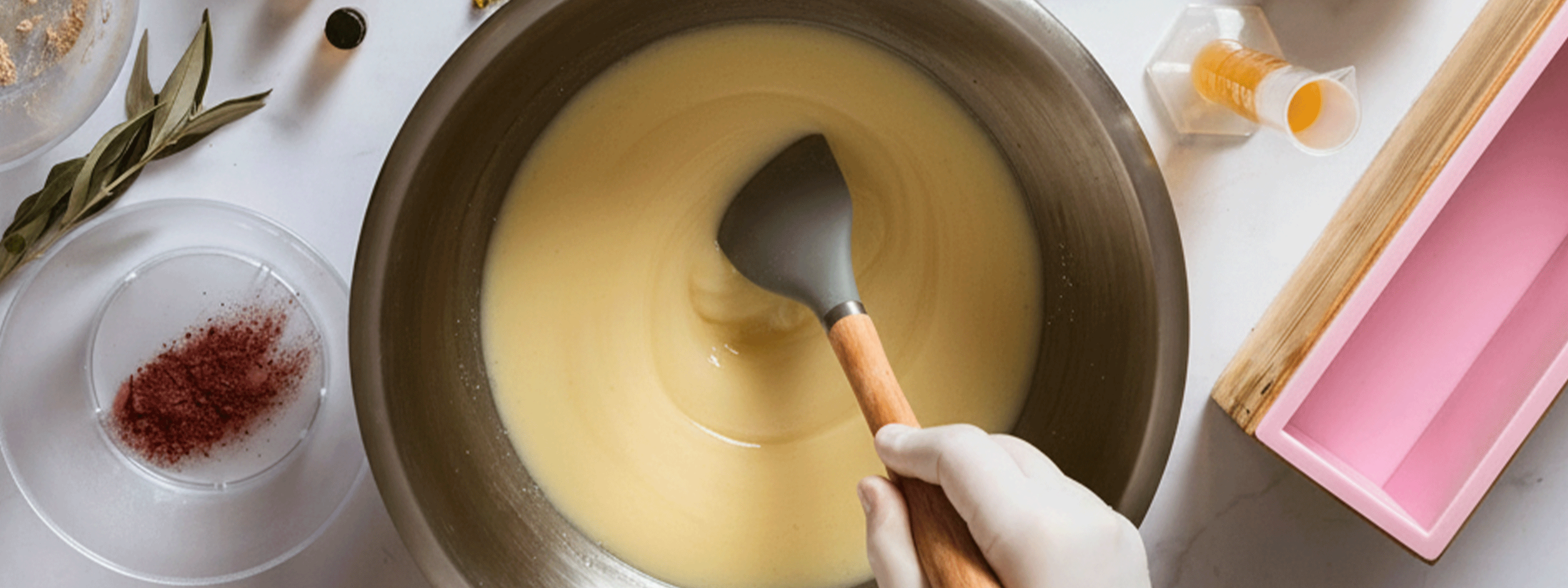
Soap Making for Beginners: Everything You Need to Start
Soap making is easier than you think. This beginner-friendly guide breaks down the simple supplies and tips you need to start making beautiful handmade soap at home!
Soap Articles
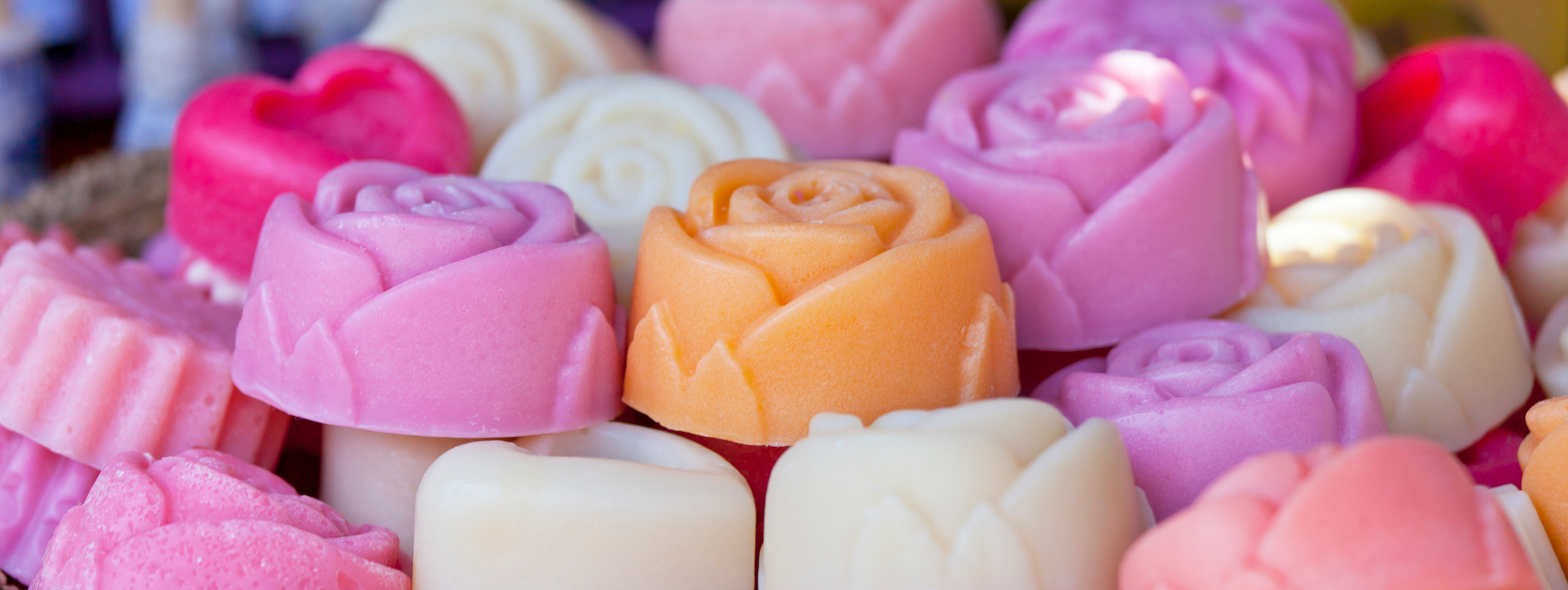
How to Make Soap Smell Stronger and Last Longer
Want stronger-smelling soap? Learn how fragrance oils, usage rates, curing time, storage, and scent selection all impact soap fragrance performance and longevity.
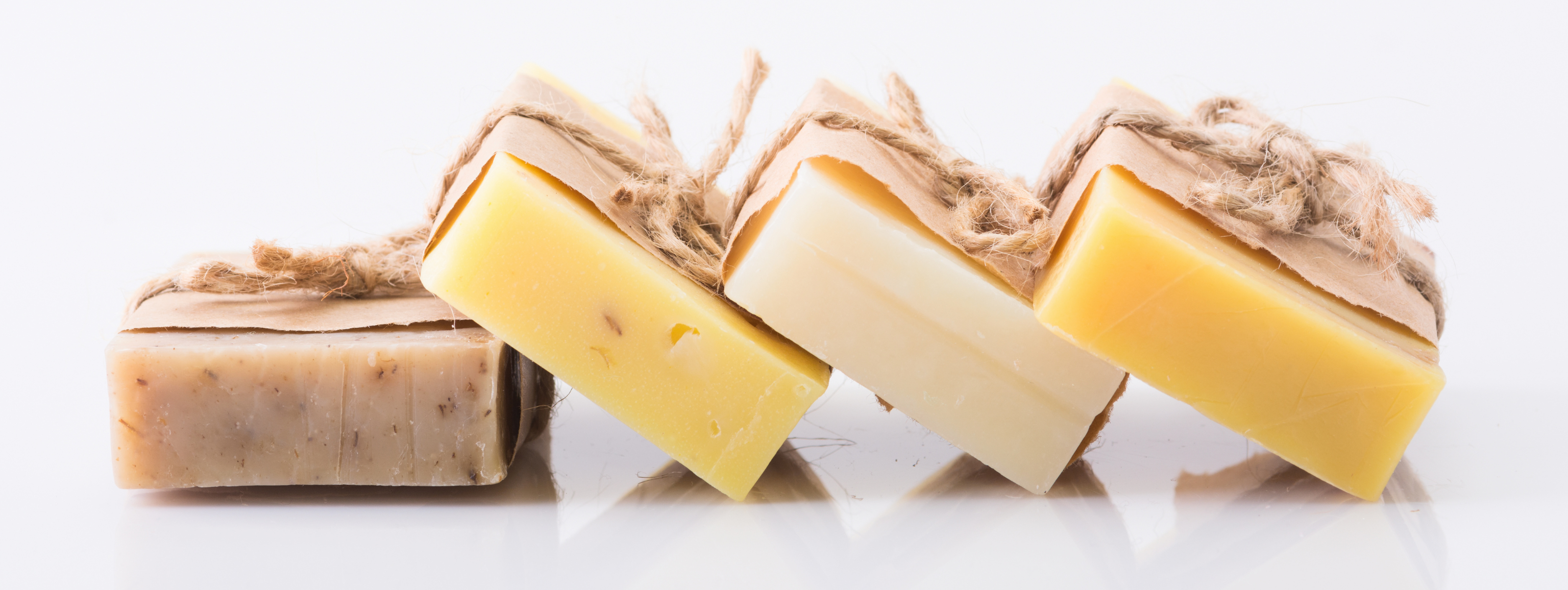
The Biggest Soap Making Mistakes Beginners Make
Avoid common soap making mistakes beginners make. Learn what goes wrong with measuring, overheating, fragrance use, safety, testing, and curing—and how to fix it.

Soap Making Safety Tips Every Beginner Should Know
Learn essential soap making safety tips for beginners, including how to handle lye safely, use protective gear, work in ventilated areas, and follow proper mixing rules.



Frequently Asked Candle Questions
Our candle fragrance oil collection is designed for makers who want high-performing scents with a cleaner, more modern formulation. Whether you are building a candle brand or crafting for personal use, these fragrances are built to deliver exceptional quality, consistency, and scent performance.
VISIT THE CANDLE BLOGWhile fragrance oils are most commonly used to scent container candles, you can use them in any type of candle as long as you know the fragrance load of the wax you're using.
Not sure what your wax's fragrance load is? Learn more here!
Although unlikely, there are some reasons a candle may discolor overtime. Wax and fragrances oils are susceptible to oxidization when exposed to the atmosphere and UV light – this can turn white wax somewhat yellow or beige overtime. This is more likely to happen to candles made with fragrances that have vanillin. To prevent this, store candles in a temperature controlled room away from direct heat and sunlight with lids.
Fragrance load depends entirely on what kind of wax you use. For most waxes (including the ones we carry), we recommend using a 6%-8% fragrance load but can be increased or decreased based on your desired outcome. Remember that less is sometimes more – do not try to max out a wax's fragrance load to achieve a stronger throw! Instead, make sure you are adding fragrance at the correct temperature (~175˚ F), stirring well, and use a wick that is large enough to create a full burn pool in the candle. Want to learn more about getting a strong throw? Read here!
All fragrance oils are tested and compliant with IFRA standards for candle applications. Provided you follow general guidelines for handling and using fragrances, they are absolutely safe! Review SDS documentation on fragrance listings for detailed information on safe handling. Some basic rules are...
- Work in a well ventilated area
- Do not apply fragrance oils directly to skin without dilution
- Follow IFRA guidelines for safe usage rates in each product type
- Do not go over a wax's recommended usage rate – doing so can cause the fragrance to leach out of the wax and catch fire when the candle is burned
Our candle fragrance oils are specially formulated for use in candle wax, so they will product a strong, impactful hot throw. By following recommended wax fragrance loads, blending fragrance at ideal temperatures, and picking compatible containers and wicks, you can maximize hot throw.
Provided you are using two fragrances formulated for candles, remain within IFRA usage rates, and adhere to the fragrance load of your wax, then yes! Before you get blending, have a notepad on hand so you can remember exactly what ratio of fragrances you use so you can replicate your results in future candles. Start with a 50/50 blend of each fragrance and adjust from there until you achieve the desired results.
Frequently Asked Soap Questions
Our soap fragrance oil collection is crafted for makers who demand reliable performance, strong scent retention, and clean formulation standards. Whether you are creating cold process soaps, hot process batches, or melt & pour bars, these fragrances are designed to integrate smoothly and deliver consistent, professional-quality results.
VISIT THE SOAP BLOGYes, our soap fragrance oils are safe for cold process, hot process, melt & pour, and other soap-making methods like surfactant systems. They are IFRA certified to ensure they do not cause irritation upon use. Please follow guidelines for IFRA category 9 when formulating your soap recipes.
Some fragrance oils may accelerate trace due to certain scent components like florals, spices, or vanillas. We recommend checking individual testing notes before use, which are available on each fragrance listing.
Our soap fragrance oils are designed for strong scent retention through the curing process, though performance can vary depending on recipe, cure time, and usage rate. For most cold (and even hot) process recipes, please allow 4-6 weeks to cure before evaluating scent retention.
Yes, they perform very well in melt & pour soap bases and are tested for stability and scent retention. We recommend a 3% usage rate in all melt & pour soap bases while adhering to IFRA category 9 guidelines.
Some fragrance oils containing vanilla or spice notes may discolor soap tan or brown over time. This happens most often in fragrance oils that have a vanillin concentration of 5% and above, although any amount of can cause some degree of discoloration. Check the vanillin concentration on each fragrance's listing page before you start soaping with it.
Provided you are using two fragrances formulated for soap, remain within IFRA usage rates, and adhere to the usage rate of your recipe, then yes! Before you get blending, have a notepad on hand so you can remember exactly what ratio of fragrances you use so you can replicate your results in future soap. Start with a 50/50 blend of each fragrance and adjust from there until you achieve the desired results.
Frequently Asked Diffuser & Air Freshener Questions
Our reed diffuser and air freshener fragrance oil collection is crafted for makers and brands who demand exceptional scent performance, consistent quality, and dependable formulation results. Whether you're creating reed diffusers, room sprays, linen sprays, hanging air fresheners, aroma beads, or other home fragrance products, these fragrances are selected to deliver strong scent diffusion, lasting fragrance retention, and professional-quality results. Designed with versatility in mind, our fragrance oils help you create products that perform beautifully while maintaining the scent integrity your customers expect.
VISIT THE DIFFUSER & AIR FRESHENER BLOGThe best fragrance oils for reed diffusers are those that provide strong scent diffusion and remain stable in diffuser base formulations. Fragrance oils with balanced volatility typically offer the most effective and long-lasting performance.
Yes. Many fragrance oils can be used in room sprays when properly formulated with an appropriate solubilizer or alcohol-based system. Always test compatibility and clarity within your specific formula.
Usage rates vary depending on your diffuser base and desired scent strength. Most reed diffuser formulations use fragrance oil concentrations of around 15%, though testing is recommended to determine optimal performance. Remember to check IFRA Category 10B for any fragrance you use in a reed diffuser.
Several factors can affect diffuser performance, including fragrance concentration, reed quality, room size, airflow, and the fragrance profile itself. Flipping reeds regularly can also help improve scent throw.
Fragrance oils with strong top and middle notes often perform exceptionally well in air fresheners because they provide immediate scent impact and excellent room-filling performance.