Soap making may seem intimidating at first, but it’s actually a fun and rewarding hobby once you understand the basics.
You do not need a professional setup or fancy equipment to start making soap at home. With a few simple ingredients and beginner-friendly supplies, you can create beautiful handmade soaps for yourself, gifts, or even your own business.
This guide breaks everything down in the simplest way possible.
Why People Love Soap Making
Soap making has become extremely popular because it’s:
Creative
Relaxing
Customizable
Great for gifts
Ideal for small businesses
You can create soaps in endless colors, scents, and designs.
Basic Soap Making Supplies You Need:
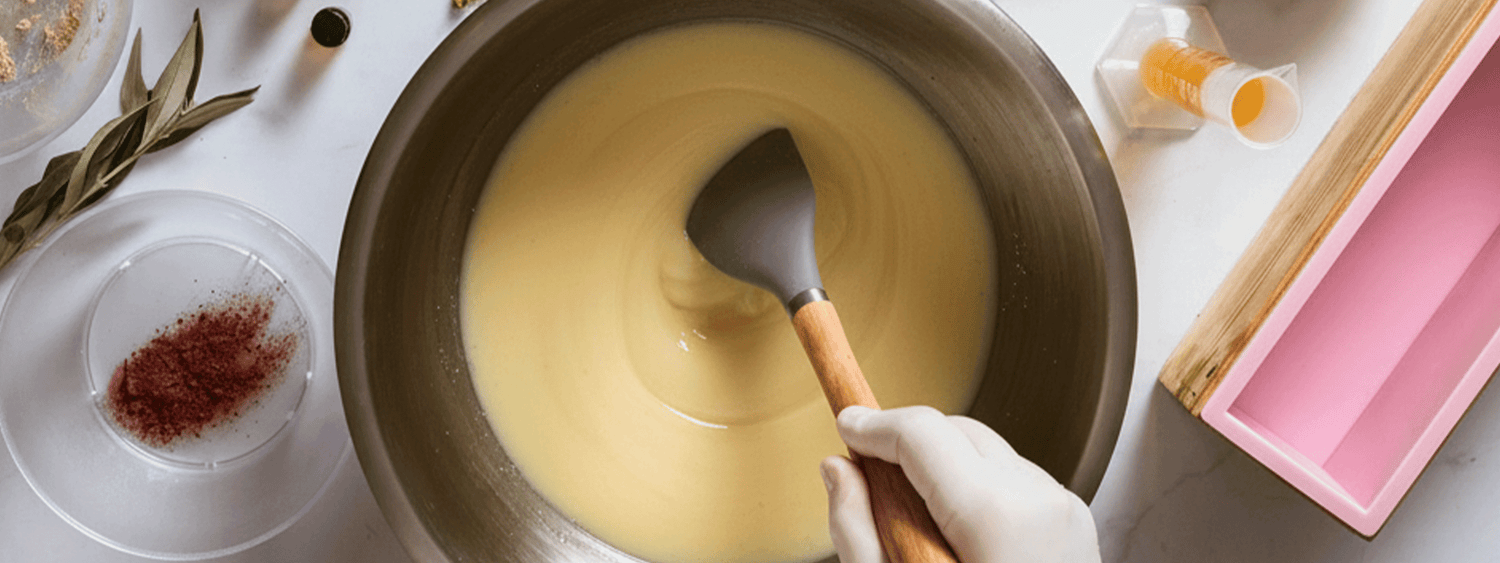
Soap Base or Oils
The supplies you start with depend on the type of soap you’re making. Beginners often start with melt & pour soap base because it forgoes the need to formulate with lye.
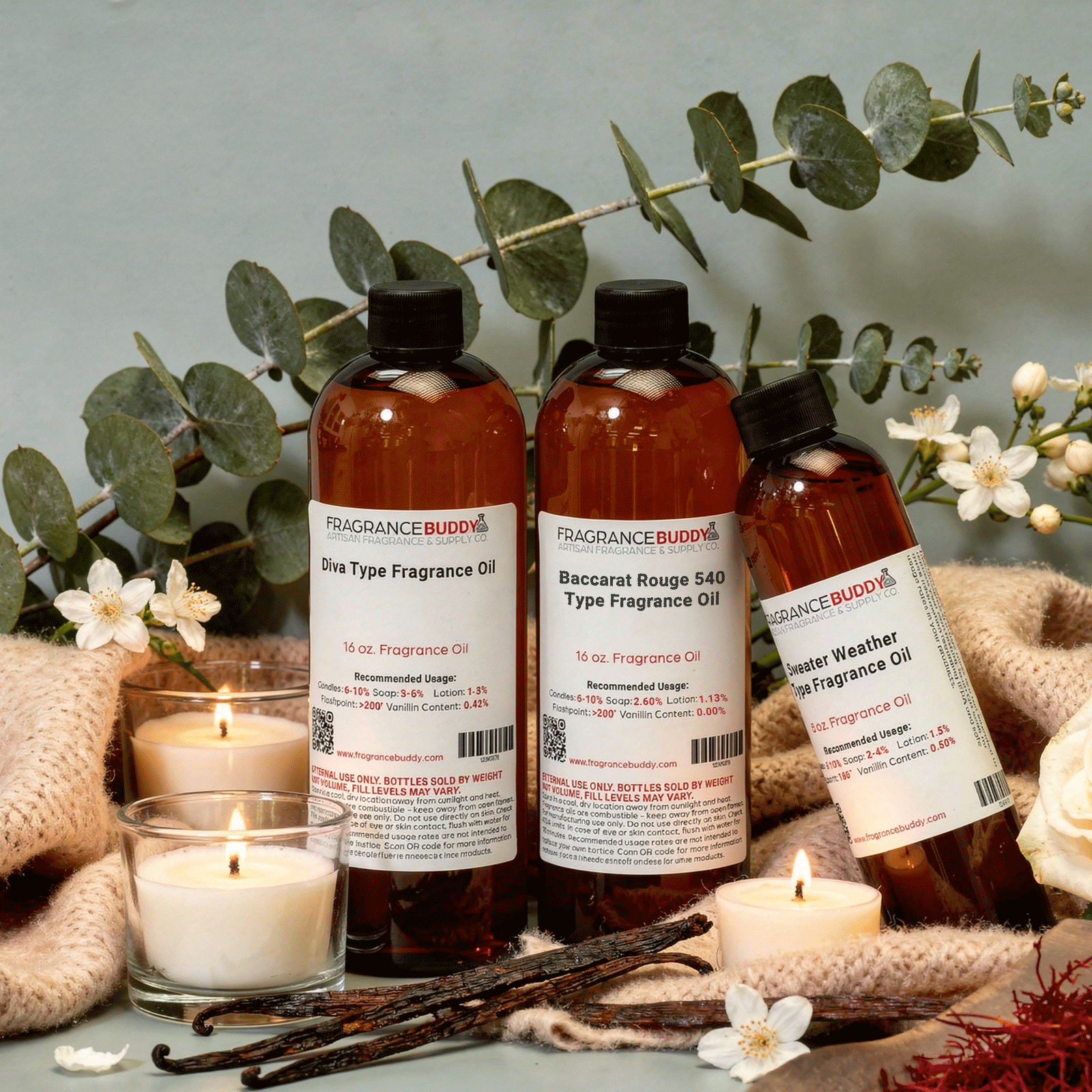
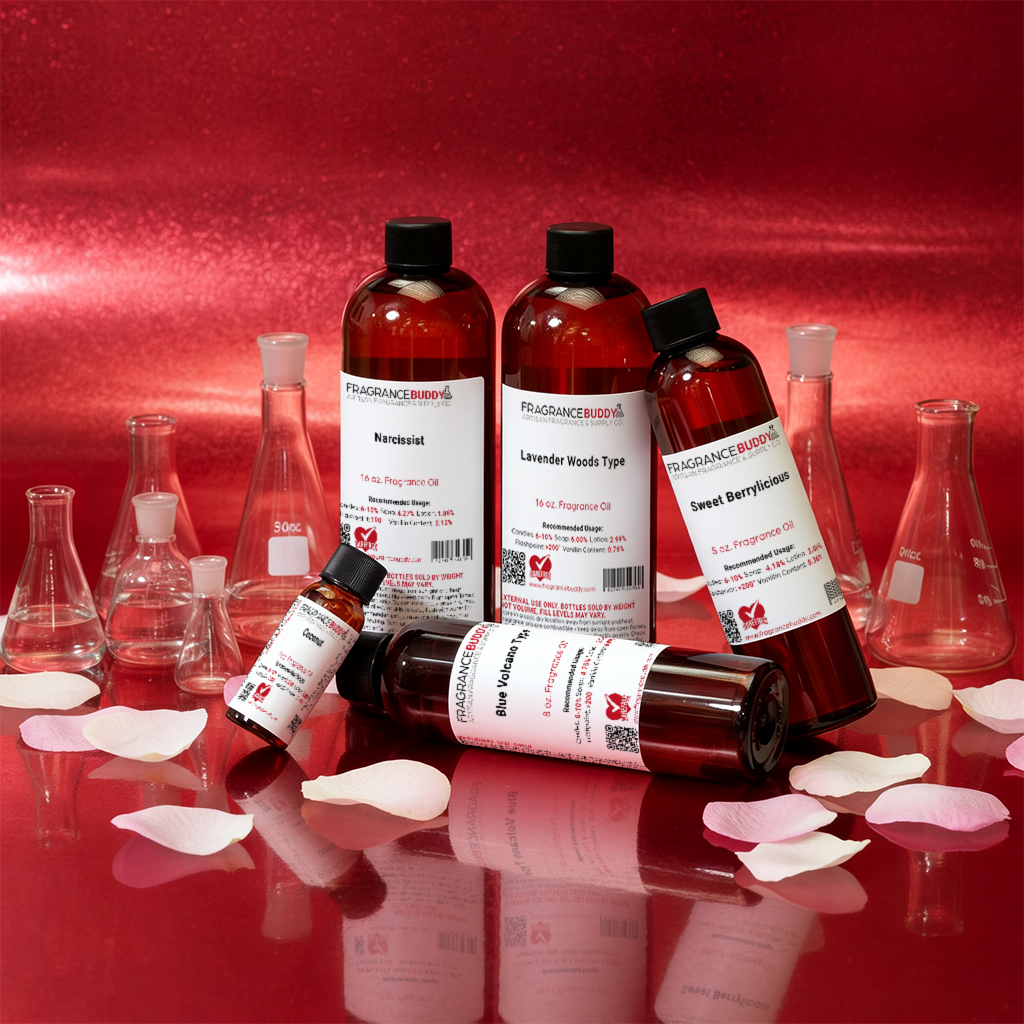
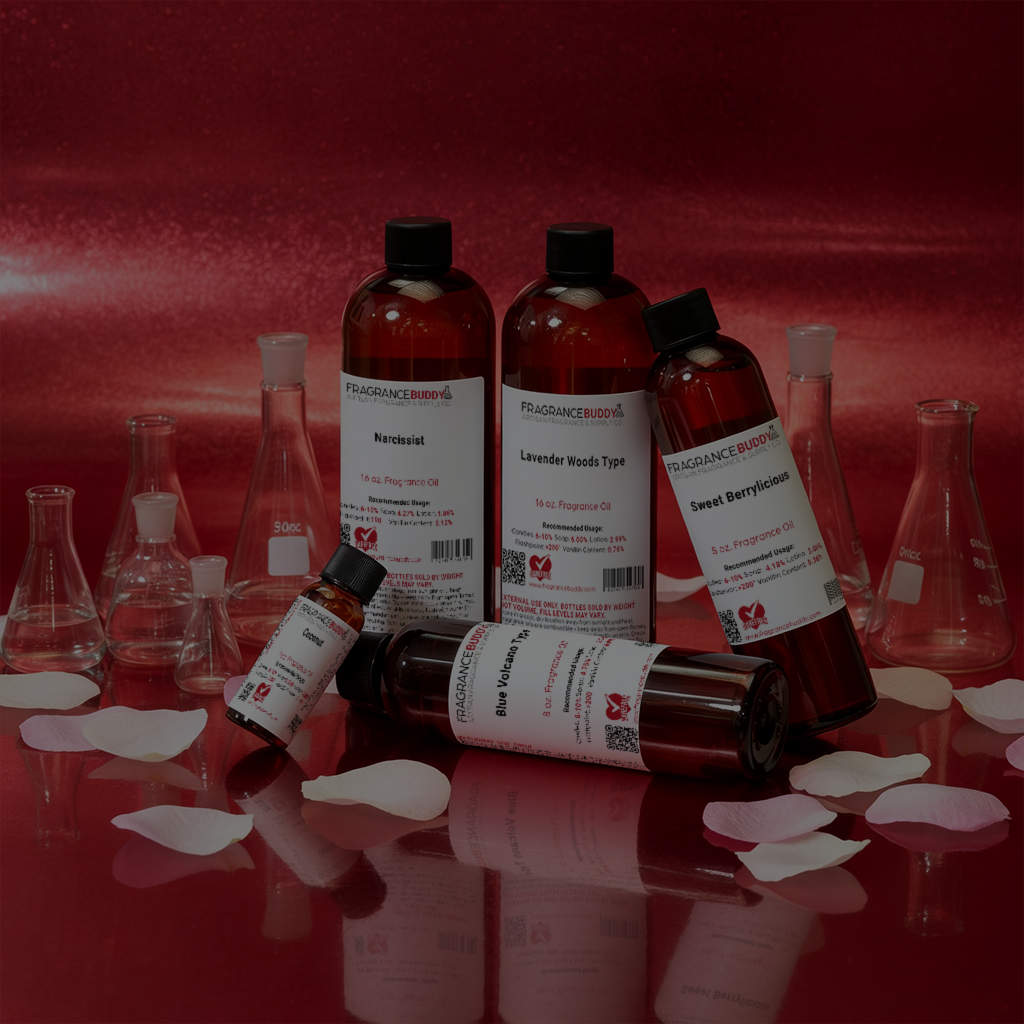
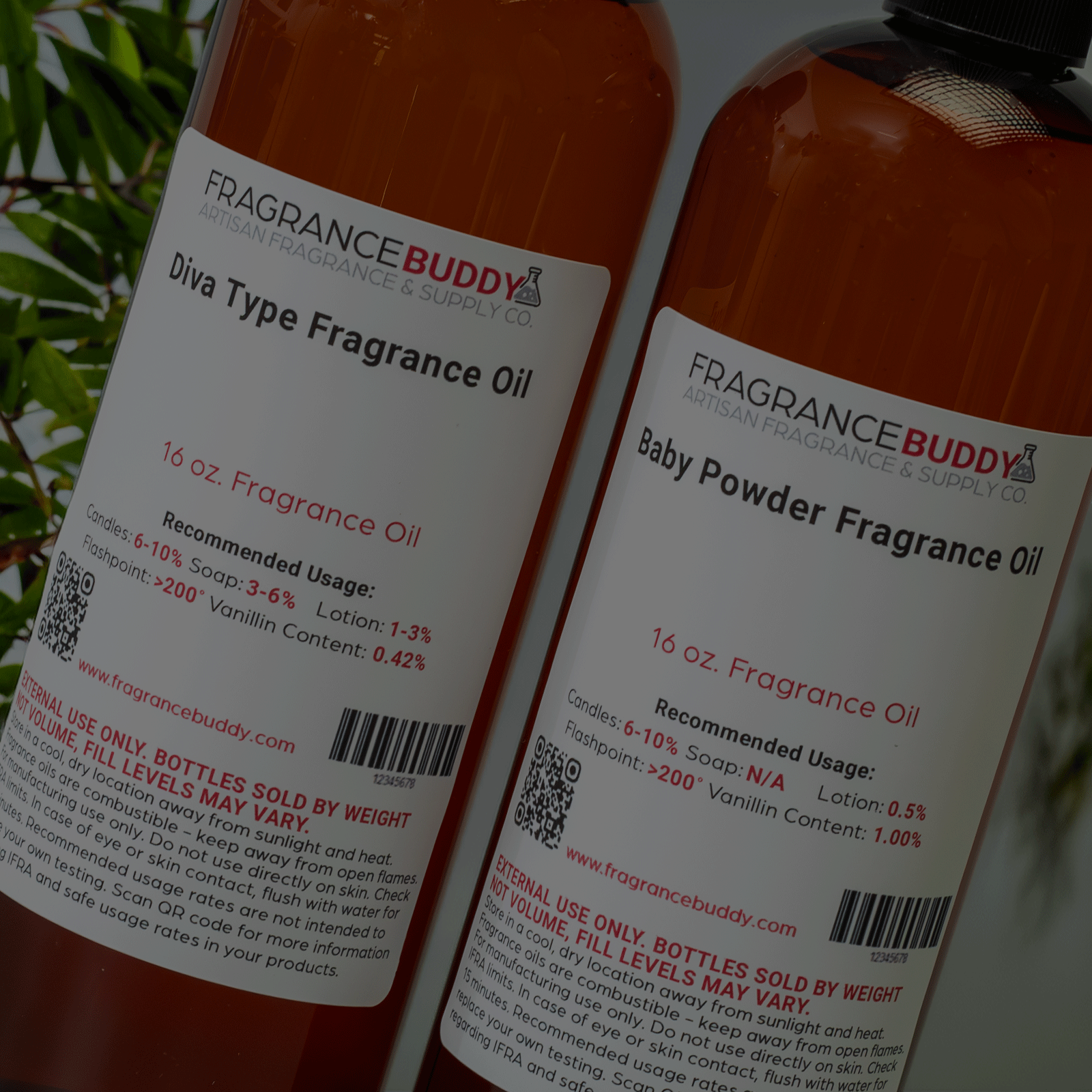
Fragrance Oils
These give your soap a scent and can be used in all kinds of soap, from melt & pour to cold process and more. The fragrance oils used in soap should be IFRA rated appropriately; check IFRA Category 9 so you can see what the safe limits are.
Soap Colorants/Dye
Used to add color to your soap.
Popular options include:
Micas – synthetic powders that mimic natural mica found in nature but without potential contaminants like lead or arsenic (which are commonly found in mined mica.) They come in a rainbow of colors and can be matte or sparkly.
Liquid colorants – a type of dye that comes in liquid form with a wide variety of quality. Cheap options include dyes similar to food color and often produce less than vibrant results. More expensive options, sometimes called "lab dyes" are extremely concentrated.
Natural powders – Derived from clay and dried herbs, these powders provide a grounded, earthy colors. Common options include turmeric, french green clay, kaolin clay, and activated charcoal.
Soap Molds
Molds shape your soap. Silicone molds are very beginner-friendly and have many applications from single cavity molds that come in highly specialized shapes to full loaf or slab molds to make many bars at a time. Other options include flexible plastic, which can make unmolding a little tricky, or completely DIY options like old milk cartons lined with freezer paper.
Mixing Bowls and Tools
You’ll need containers and tools for melting and mixing. If working with a melt & pour base, you'll want microwave safe containers (i.e. pyrex/borosilicate glass or heat-resistant plastic). For cold and hot process soap, it's imperative that you use lye-safe containers like HDPE plastic and stainless steel. Lye is dangerously reactive with aluminum!
Safety Gear
It's important to have safety in mind no matter what you're working on, but this is especially so for cold and hot process soap making to protect you from lye exposure.
You'll need:
Gloves – latex and nitrile gloves allow you to retain dexterity.
Goggles – glasses will suffice if you already wear them, but if not, a basic pair of plastic safety glasses can protect you from lye splashes.
Long sleeves – if lye gets on your skin, it'll cause a serious chemical burn.
Additional Supplies
Certain tools will make soaping way easier and ensure you get the best result.
Lab or kitchen scale – soap recipes and formulas should be measured by weight not volume. Utilizing ounces and grams accounts for varying textures and densities of your ingredients so you get the most consistent result every time. You will get inaccurate measurements if you use volumetric measurements like cups or liters.
Utensils – whisks and silicone spatulas are a must. If you're making cold/hot process, you'll also need an immersion blender to bring the soap to trace.
Thermometer – making sure the soap isn't too hot or cold will help prevent disasters.
Final Thoughts
Soap making becomes easier the more you practice. Your first batch does not need to be perfect but having the right supplies beforehand will get you closer to the results you're hoping for!