Melt and Pour Soap vs Cold Process Soap: What’s the Difference?
One of the biggest beginner questions in soap making is: “What type of soap should I start with?”
The two most common methods are melt and pour soap and cold process soap. Both can produce beautiful, high-quality bars—but they work in very different ways.
Understanding the difference will help you choose the right starting point for your goals and comfort level.
Melt and Pour Soap
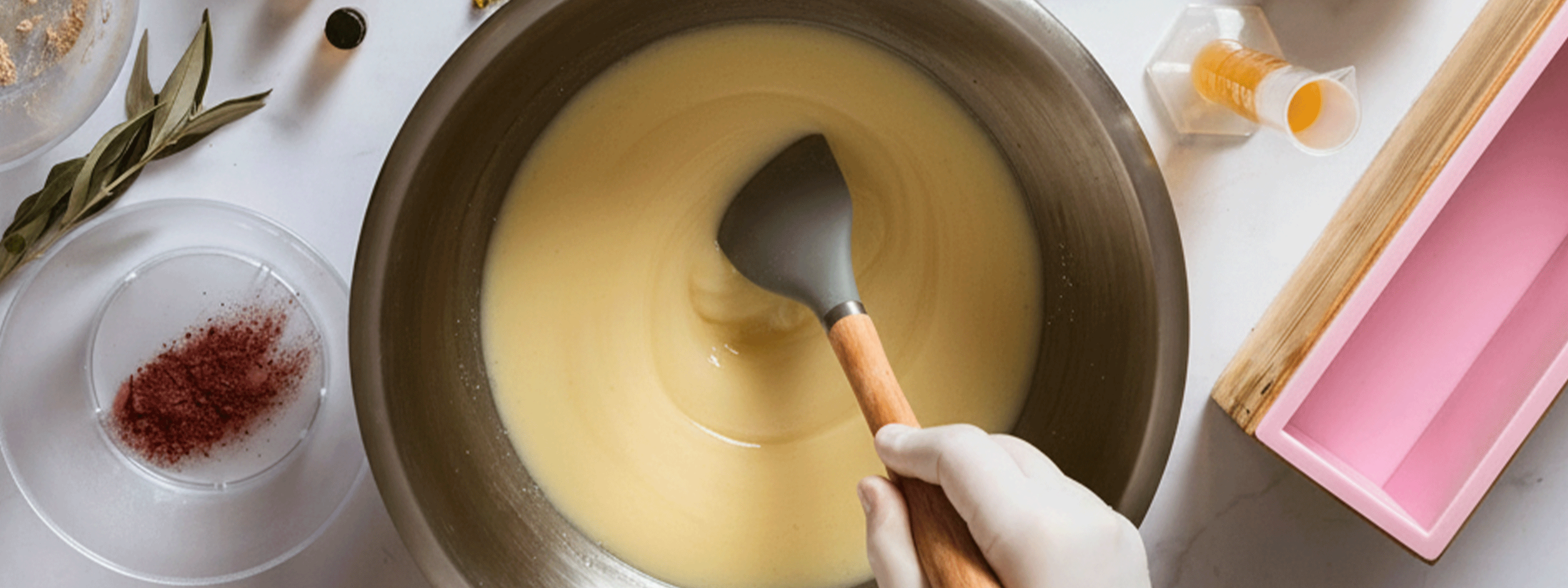
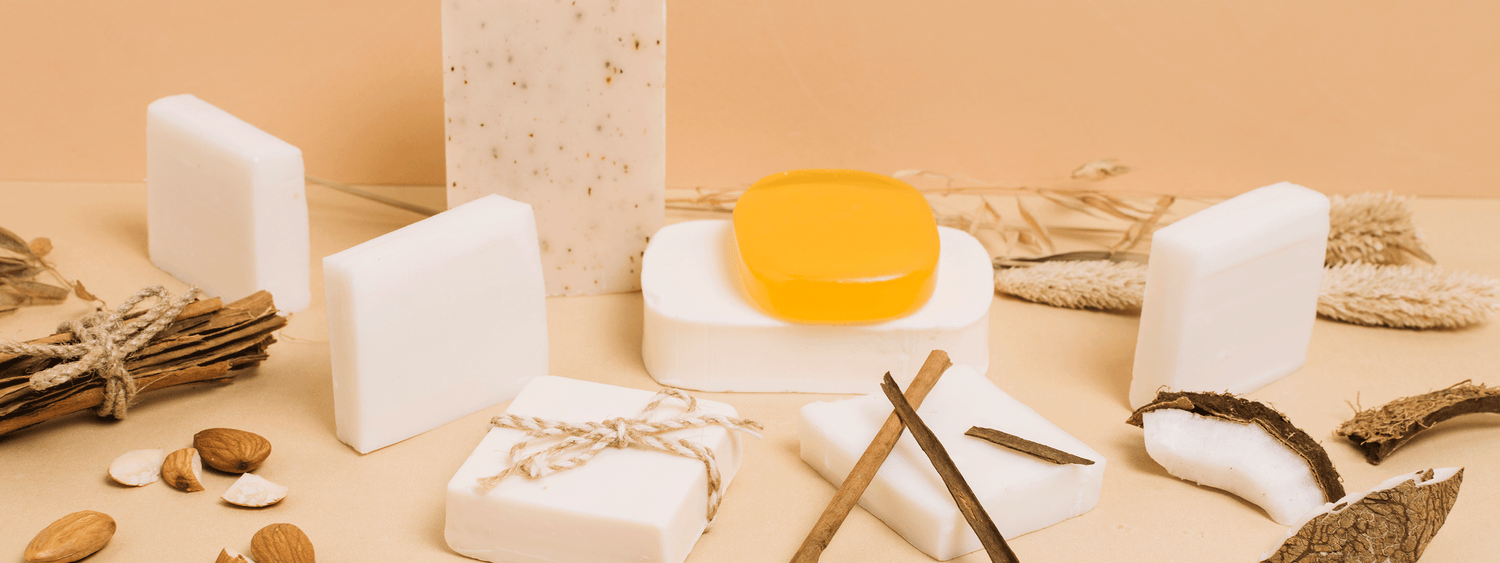
Melt and pour (often called MP soap) is the easiest way to get started with soap making. It uses a pre-made soap base that you simply melt, customize, and pour into molds.
You can customize it with:
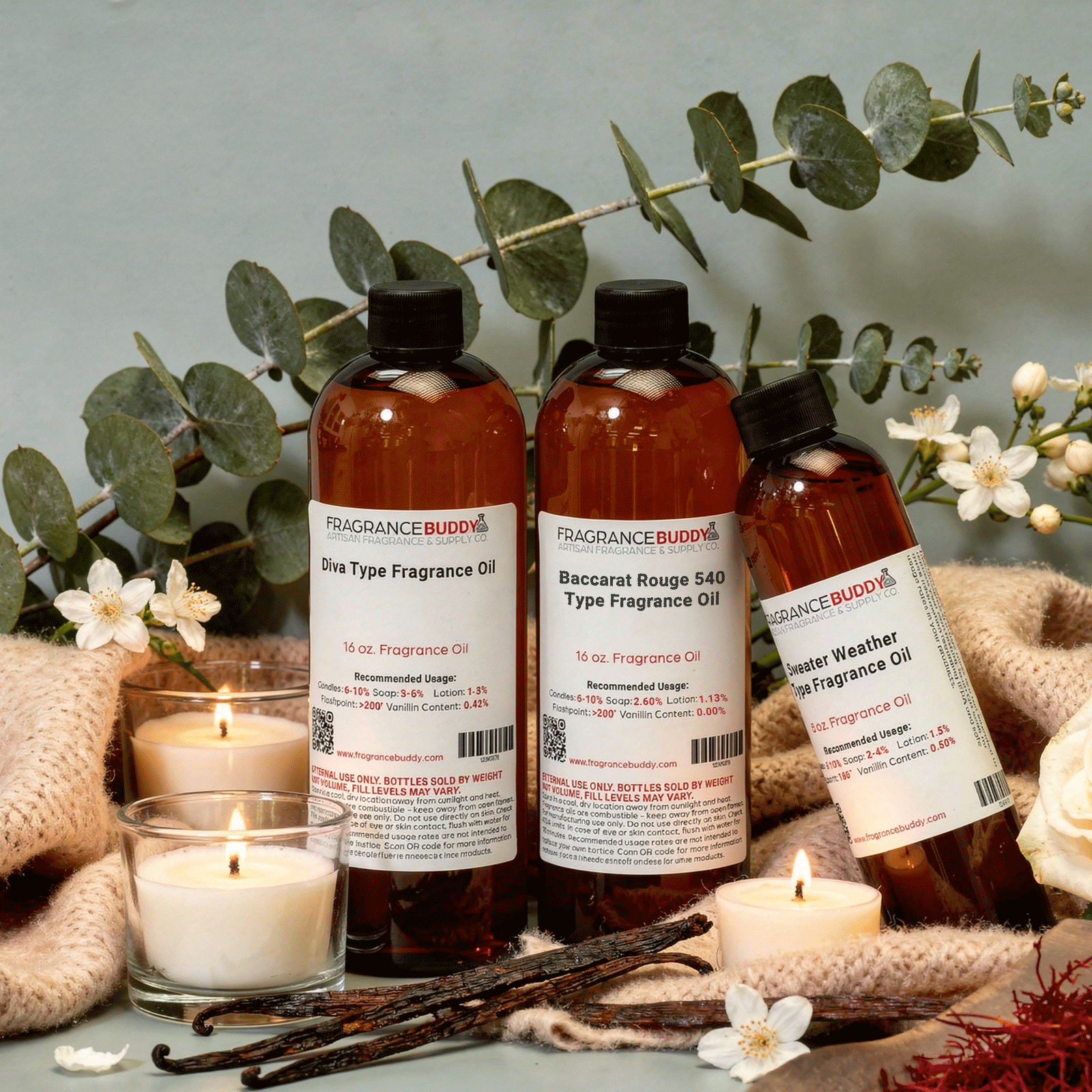
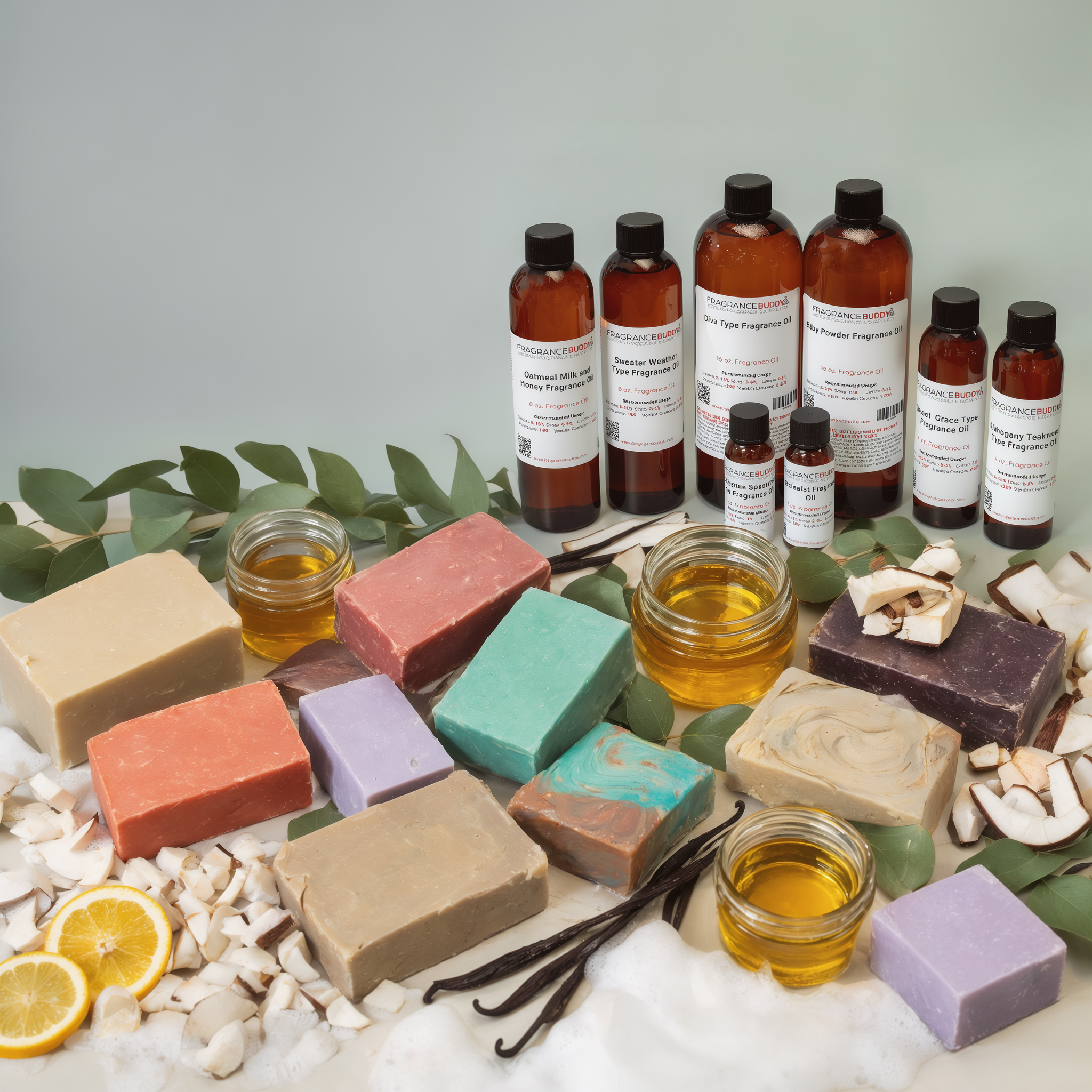
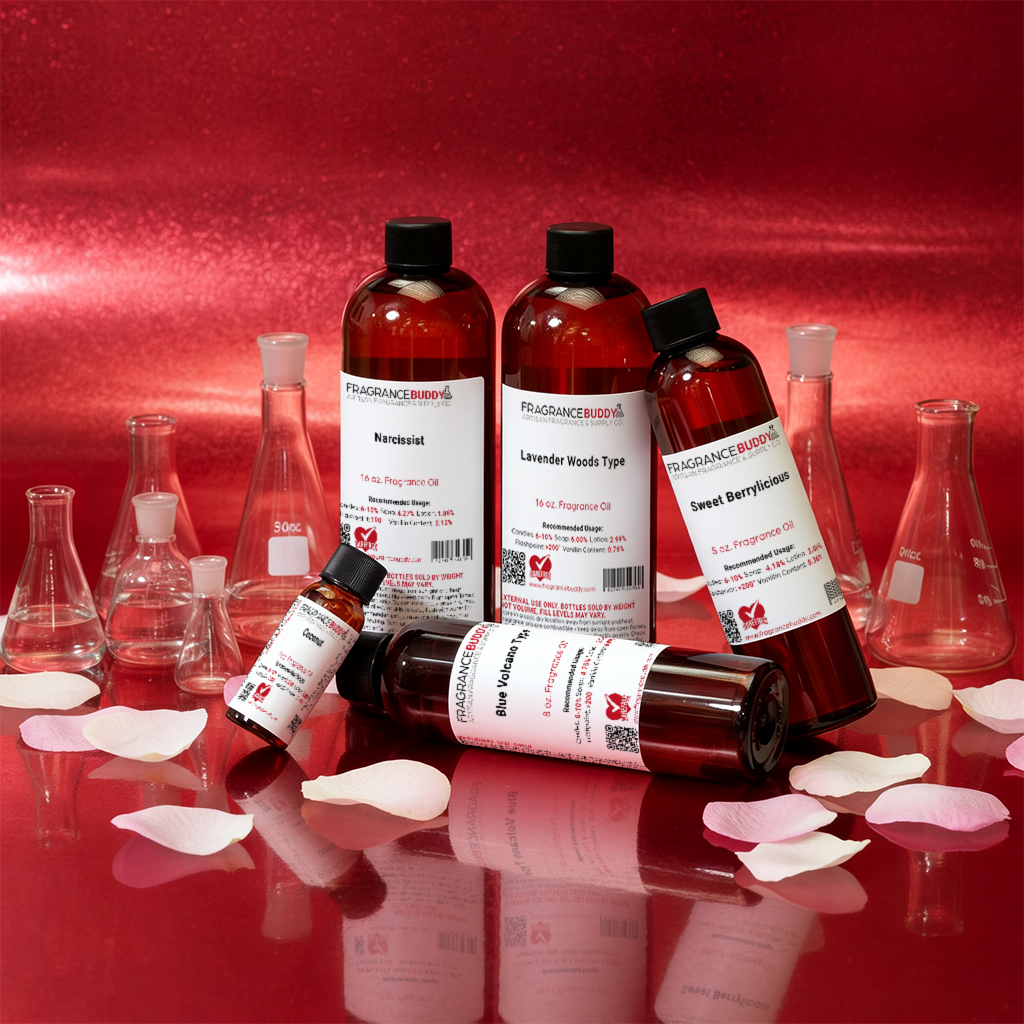
- Fragrance oils
- Colorants
- Additives like botanicals or exfoliants
Pros:
- Beginner-friendly
- Fast and easy to make
- No lye handling required
- Great for creative designs and customization
Cons:
- Less control over ingredients
- Limited control over lather and skin feel
- You are working within the limits of a pre-made base
Cold Process Soap
Cold process soap is made entirely from scratch using oils and lye. Through a chemical reaction called saponification, these ingredients transform into soap over time.
While it has a steeper learning curve, it also offers the most control and flexibility.
Pros:
- Full control over ingredients
- Endless customization options
- Ability to create completely unique formulas
Cons:
- Requires careful safety practices
- Longer curing time (weeks before use)
- More technical learning curve at the beginning
Which One Is Better for Beginners?
Most beginners start with melt and pour soap because it’s simple, quick, and less intimidating. It allows you to focus on creativity—fragrance, color, and design—without dealing with lye.
However, cold process soap is also very beginner-accessible with the right guidance and simple recipes. Many makers eventually explore both methods and use them for different purposes.
In fact, both styles can support a successful soap business:
- Melt and pour is great for fast production and creative designs
- Cold process is ideal for fully customized, handcrafted formulas
There’s no wrong choice—just different paths.
Final Thoughts
There is no “right” way to make soap. Melt and pour and cold process are both creative, rewarding, and capable of producing beautiful products.
The best choice is the one that matches your comfort level, goals, and how hands-on you want to be in the formulation process.