

Soap Making Supplies Explained (Without the Confusing Terms)
When you first start researching soap making, it can feel overwhelming. There are so many ingredients, tools, and unfamiliar terms that it’s easy to think you need everything at once.
The truth is much simpler: you only need a handful of core supplies to get started, and you can build your setup over time.
Here’s a clear, beginner-friendly breakdown of the most common soap making supplies and what they actually do.
Melt and Pour Soap Base
A melt and pour soap base is pre-made soap that you simply melt, customize, and pour into molds.
It’s one of the easiest ways to start soap making because:
- No lye handling required
- Quick and beginner-friendly
- Easy to customize with fragrance and color
Oils and Butters
Cold process soap relies on oils and butters as the foundation of the recipe. These ingredients determine how your soap feels, lathers, and performs.
Common oils include:
- Coconut oil (creates lather and cleansing)
- Olive oil (adds conditioning properties)
- Shea butter (adds creaminess and moisture)
- Palm oil (helps create hardness and stability)
Each oil plays a different role in the final bar.
Lye
Lye is essential for cold process soap making.
While it often sounds intimidating, it is completely safe when handled properly. Lye reacts with oils through a chemical process called saponification, which is what actually creates soap.
Without lye, true soap cannot be made from scratch.
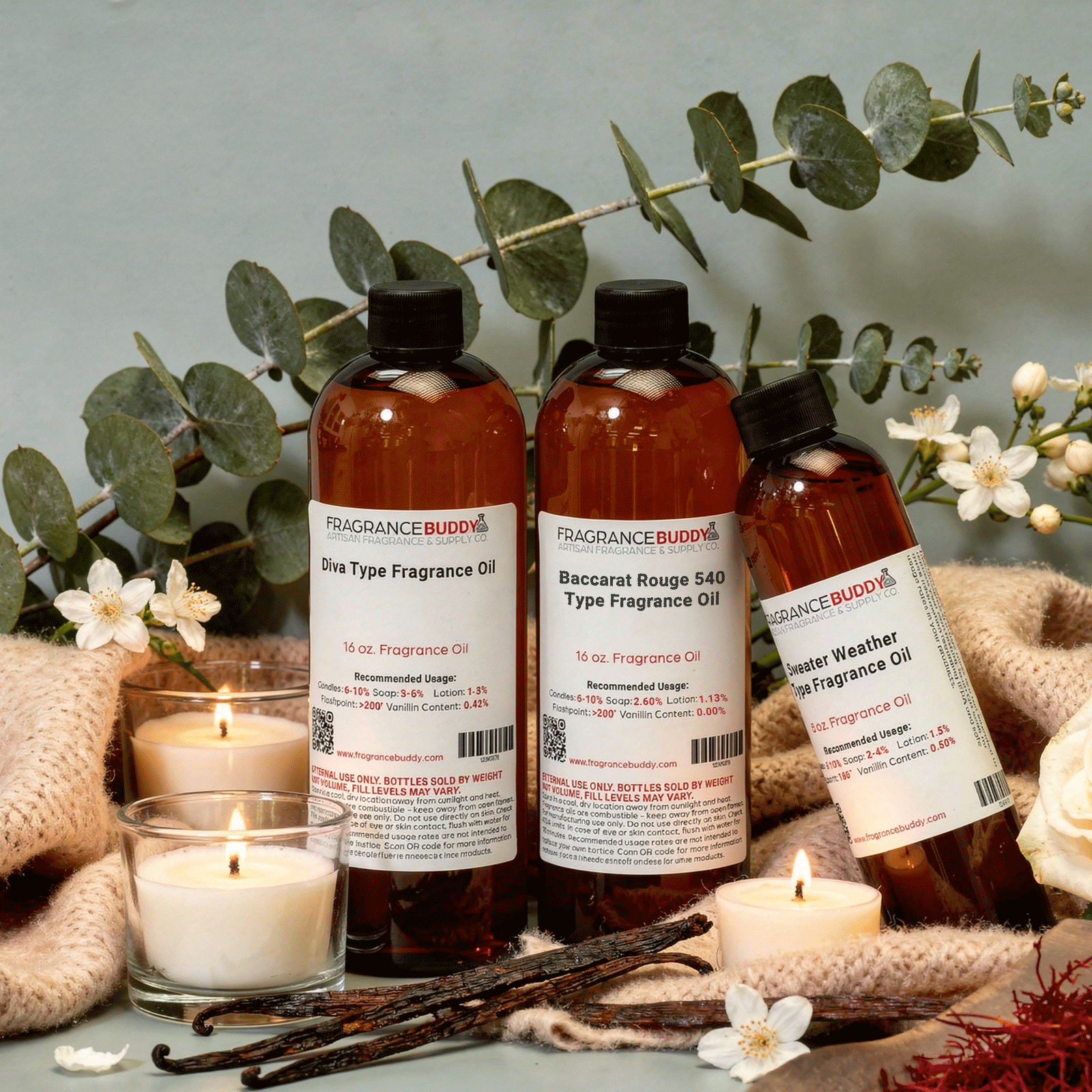
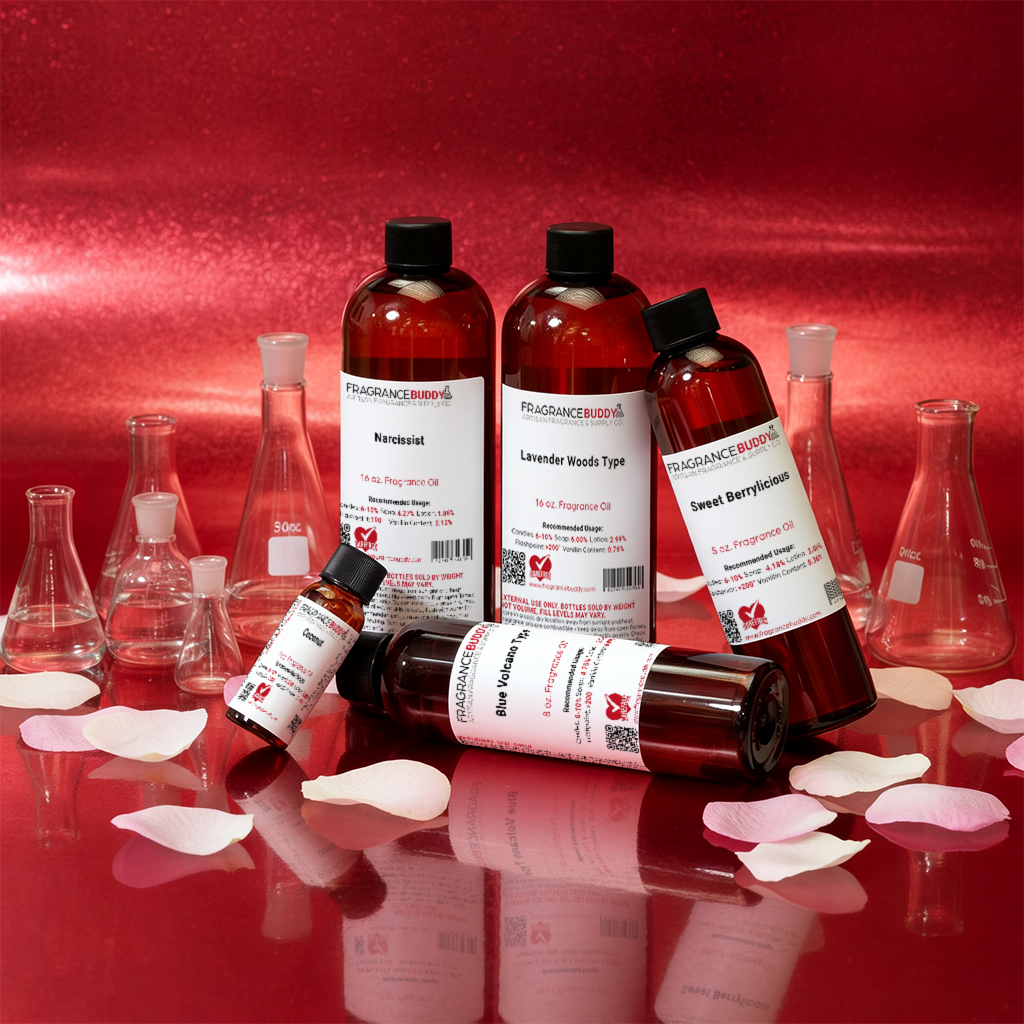
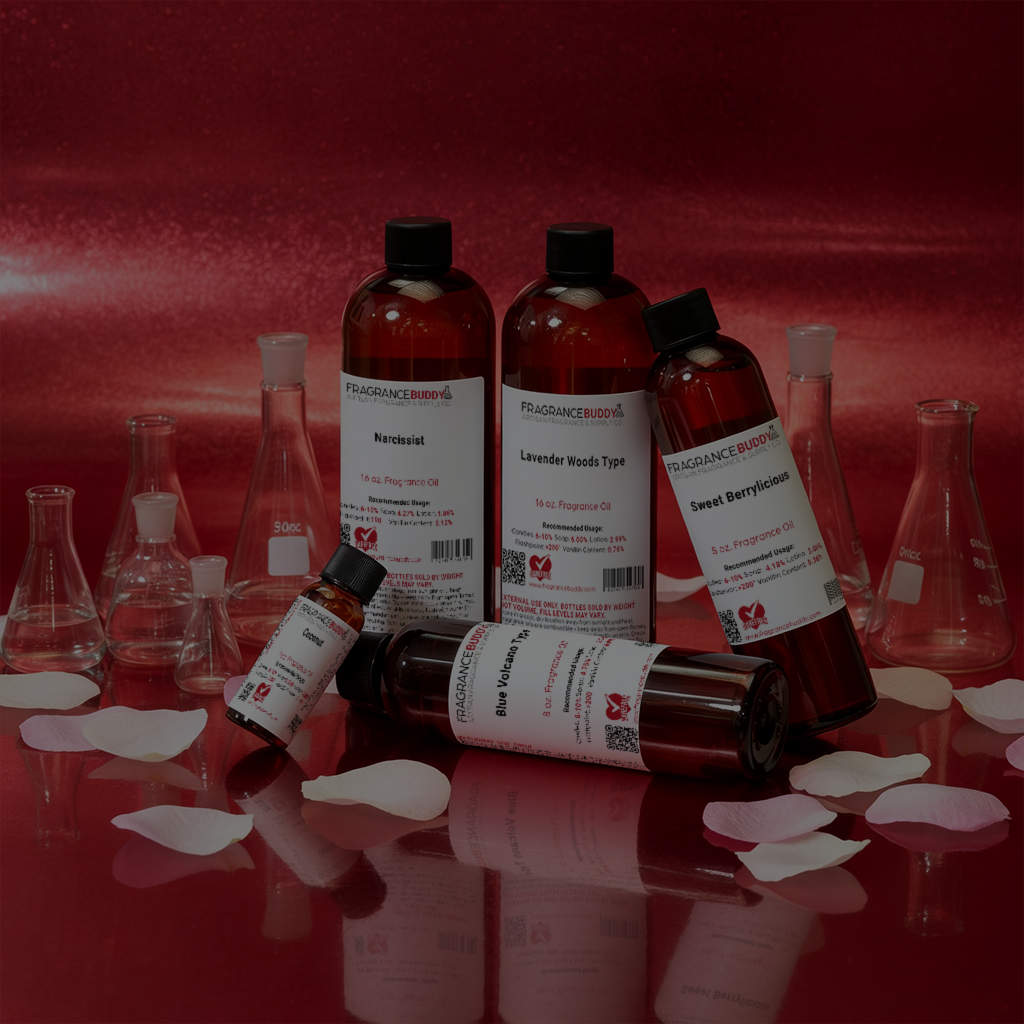
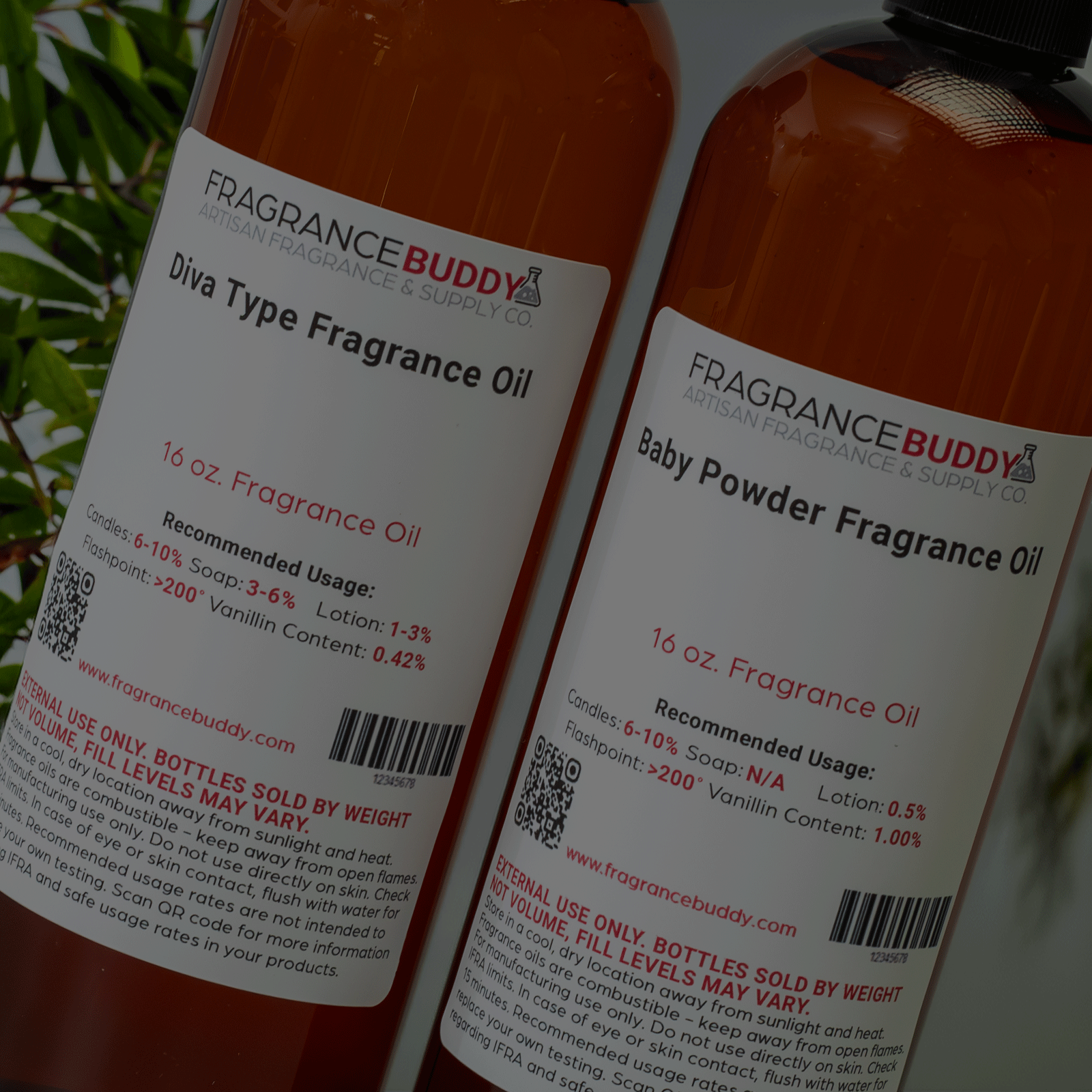
Fragrance Oils
Fragrance oils are what give soap its scent.
For best results, always choose fragrance oils that are specifically approved for soap making. These are designed to perform well in soap batter and hold up during curing.
Micas and Colorants
Micas and colorants are used to add color and visual design to soap.
Micas are especially popular because they:
- Blend easily
- Offer vibrant color options
- Allow for creative designs and layers
Soap Molds
Soap molds shape your finished bars.
Silicone molds are the most beginner-friendly because they are:
- Flexible and easy to unmold
- Simple to clean
- Available in many shapes and sizes
Stick Blender
A stick blender is commonly used in cold process soap making to mix oils and lye more efficiently.
It helps:
- Speed up trace
- Create a smoother mixture
- Reduce hand stirring time
Final Thoughts
You don’t need every soap-making tool or ingredient you see online. Start with the basics, learn how each part works, and build your supplies as you gain experience.
Soap making becomes much less intimidating once you understand what each ingredient actually does.