How to Choose the Right Fragrance for Soap Making
Fragrance is one of the most exciting parts of soap making. The scent you choose can completely change the personality, mood, and overall experience of your finished soap.
But not every fragrance works the same way in soap—so choosing carefully can save you a lot of frustration later.
Use Soap-Safe Fragrance Oils
Not all fragrance oils are designed for soap formulation.
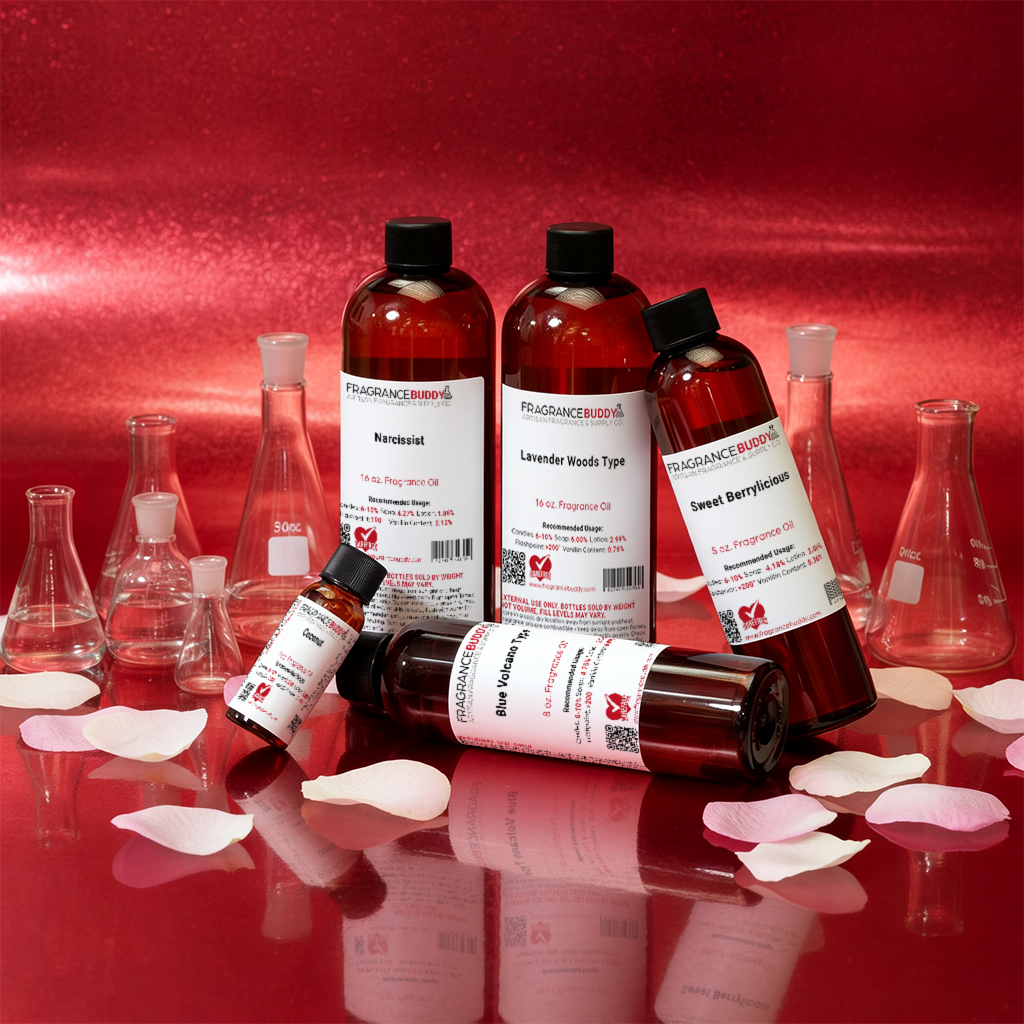
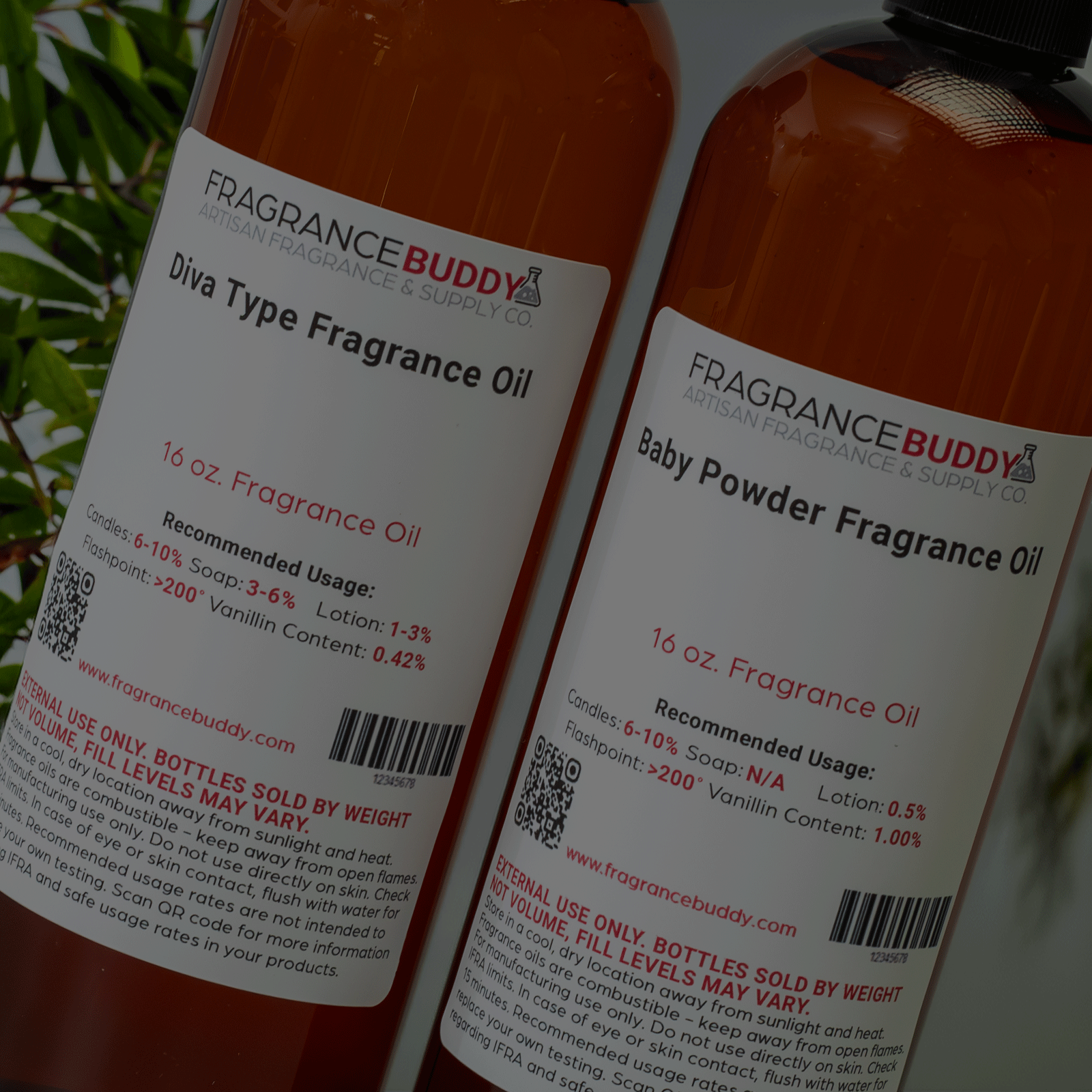
Always choose oils that are specifically labeled or tested for soap making to ensure better performance and stability.
Soap-safe fragrances are designed to:
- Hold up during curing
- Blend properly into soap batter
- Maintain scent over time
Popular Soap Fragrance Categories
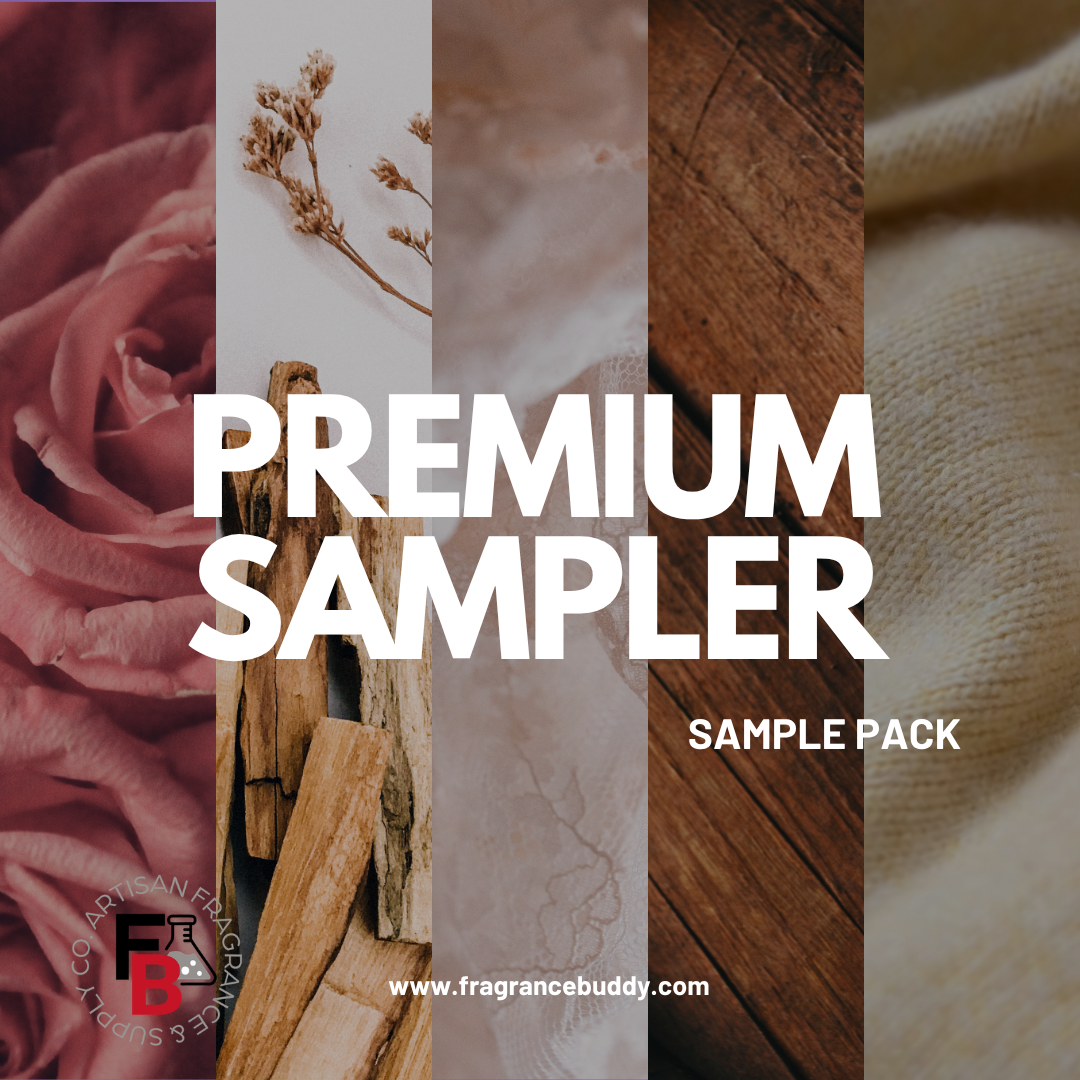
Certain scent families tend to perform well and are widely loved in handmade soap.
Fresh and Clean Scents
These are light, crisp, and widely appealing.
- Cotton
- Linen
- Ocean scents
Fruity Scents
Bright, fun, and often strong in soap.
- Strawberry
- Mango
- Peach
Floral Scents
Classic, elegant, and timeless.
- Lavender
- Rose
- Jasmine
Warm and Cozy Scents
Rich, comforting fragrances that feel luxurious.
- Vanilla
- Cashmere
- Amber
Essential Oils vs Fragrance Oils
Both essential oils and fragrance oils are used in soap making, but they perform differently.
Essential Oils
- Derived from natural plant sources
- Often lighter and more subtle in scent
- Limited scent variety
Fragrance Oils
- Wide variety of scent options
- Typically stronger and longer-lasting in soap
- More consistent performance in formulations
Why Some Fragrances Behave Differently
Not all fragrances react the same way when added to soap batter. Some may change how your soap behaves during mixing or curing.
Common effects include:
- Accelerating trace (thickening soap faster)
- Discoloring the final soap color
- Changing texture or workability
This is why testing is so important before committing to large batches.
Final Thoughts
Choosing fragrance is one of the most enjoyable parts of soap making. It’s where creativity really comes in and where your products start to feel unique.
With the right soap-safe oils and a bit of testing, you can discover scents that not only perform well but also define your style as a soap maker.