

Candle Making Terms Explained for Newbies
Candle making comes with a lot of terminology that can sound confusing at first. Once you understand the basics, though, these terms become second nature—and they’ll help you make better candles and troubleshoot issues more easily.
Here’s a simple breakdown of the most common candle making terms.
Hot Throw
Hot throw refers to how strong a candle smells while it is burning.
A strong hot throw means the fragrance fills the room well when the candle is lit.
Cold Throw
Cold throw is how strong a candle smells before it is burned.
This is the scent you notice when the candle is unlit.
Melt Pool
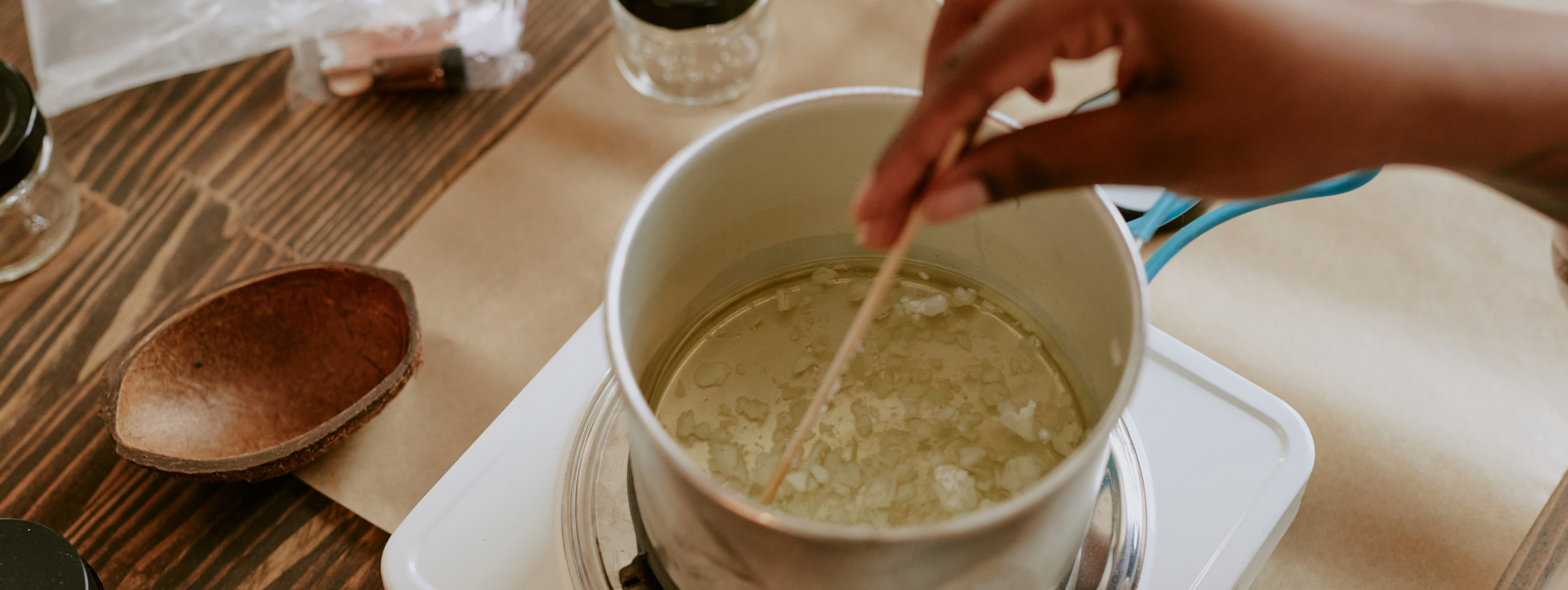
The melt pool is the layer of melted wax that forms around the wick as the candle burns.
A proper melt pool helps the candle burn evenly and release fragrance effectively.
Cure Time
Cure time is the waiting period after a candle is made before it is burned.
During this time, wax and fragrance bind together more fully, often improving scent performance.
Fragrance Load
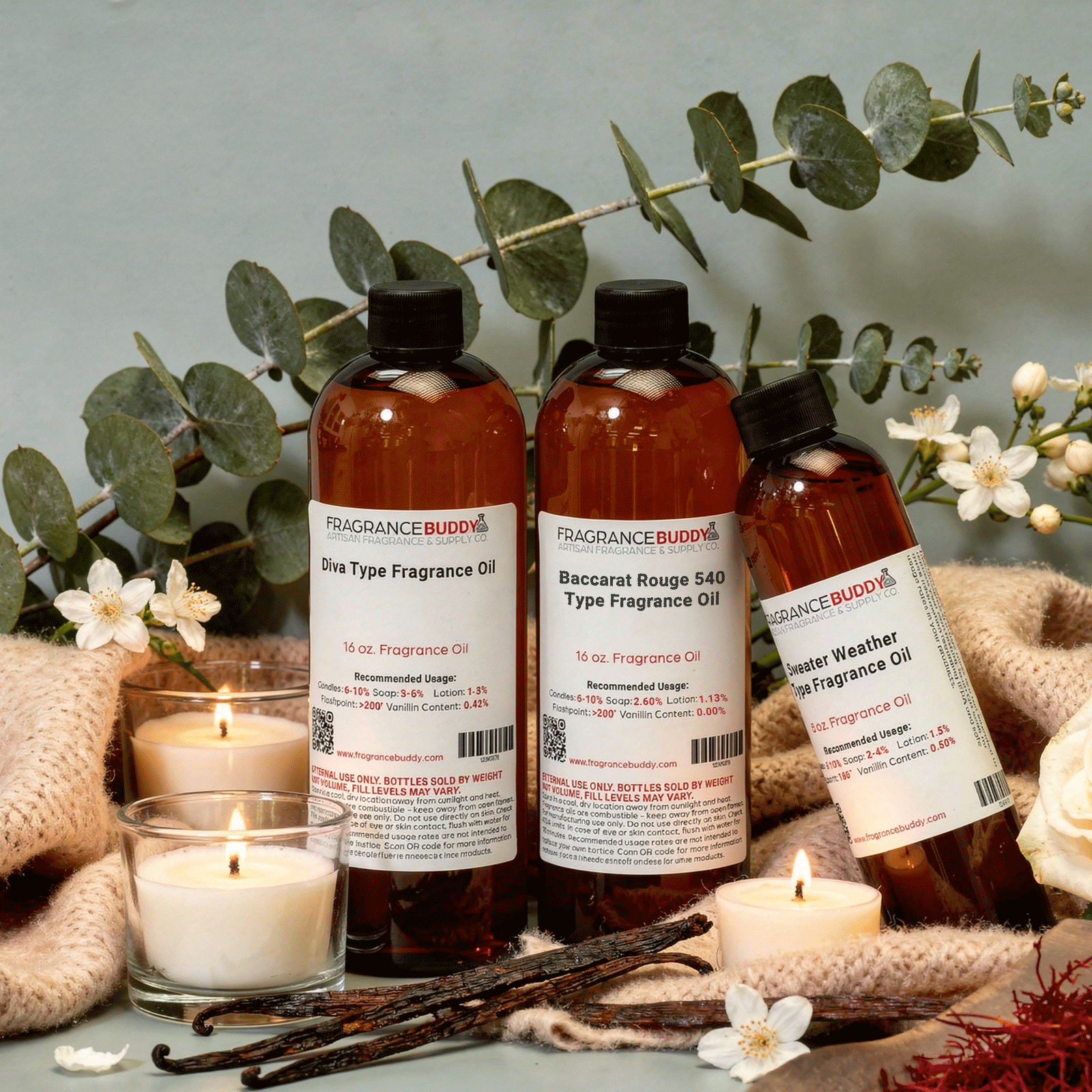
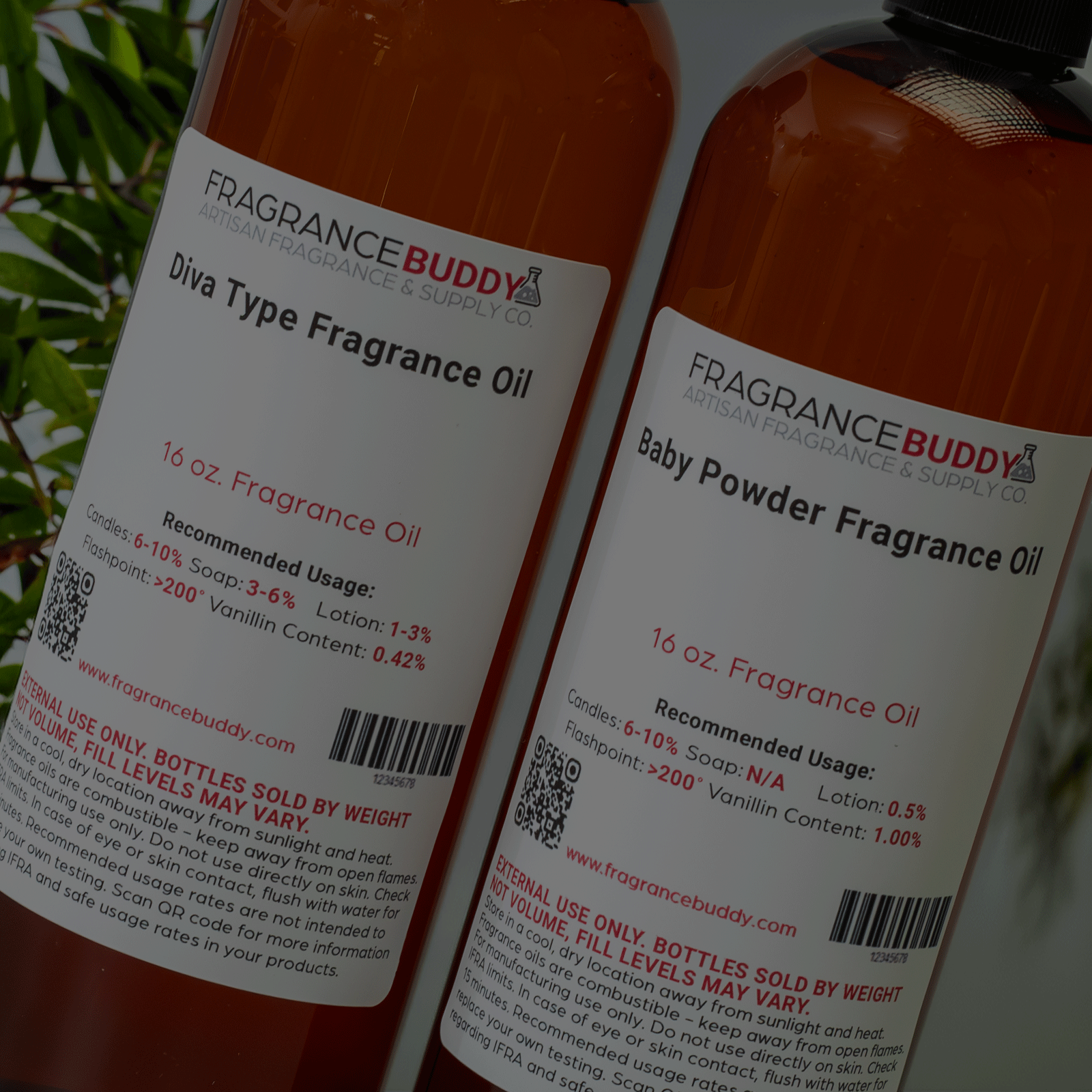
Fragrance load refers to the percentage of fragrance oil added to wax.
It impacts:
- Scent strength
- Burn performance
- Wax stability
Flash Point
Flash point is the temperature at which a fragrance oil can ignite.
While it’s mostly a safety reference, it also helps candle makers understand how fragrances behave during heating.
Tunneling
Tunneling happens when a candle burns straight down the center, leaving wax along the sides.
This can reduce burn efficiency and waste wax if not corrected.
Mushrooming
Mushrooming is when carbon builds up on the wick, forming a small “mushroom” shape at the tip.
This can affect flame quality and may require trimming the wick.
Frosting
Frosting refers to white, crystal-like patches that can appear on soy wax candles.
It is a natural characteristic of soy wax and does not affect performance.
Final Thoughts
Learning candle making terminology makes the entire process easier and less intimidating. Once you understand these basic terms, you’ll be better equipped to troubleshoot issues and improve your candle quality with confidence.