
The Biggest Soap Making Mistakes Beginners Make
Every soap maker makes mistakes in the beginning—that’s part of learning the craft. What matters most is understanding where things went wrong so you can improve your next batch.
Most beginner soap issues come down to measurement, temperature control, fragrance use, safety habits, and patience during curing.
Here are the most common mistakes to avoid.
Not Measuring Ingredients Properly
Soap making is a precise process. Unlike casual DIY projects, guessing measurements can completely change how your soap turns out.
Improper measuring can lead to:
- Soft or crumbly bars
- Poor lather
- Failed batches
Accurate measurements are essential for consistent results.
Overheating Melt and Pour Soap
Melt and pour soap is sensitive to heat.
Overheating can cause:
- Burning or discoloration
- Dry or rubbery texture
- “Sweating” on the surface after it sets
To avoid this, melt slowly and gently without pushing temperatures too high.
Using Too Much Fragrance
It’s easy to think more fragrance means better scent—but in soap making, balance is key.
Too much fragrance can:
- Irritate skin
- Affect texture or stability
- Cause separation in some formulas
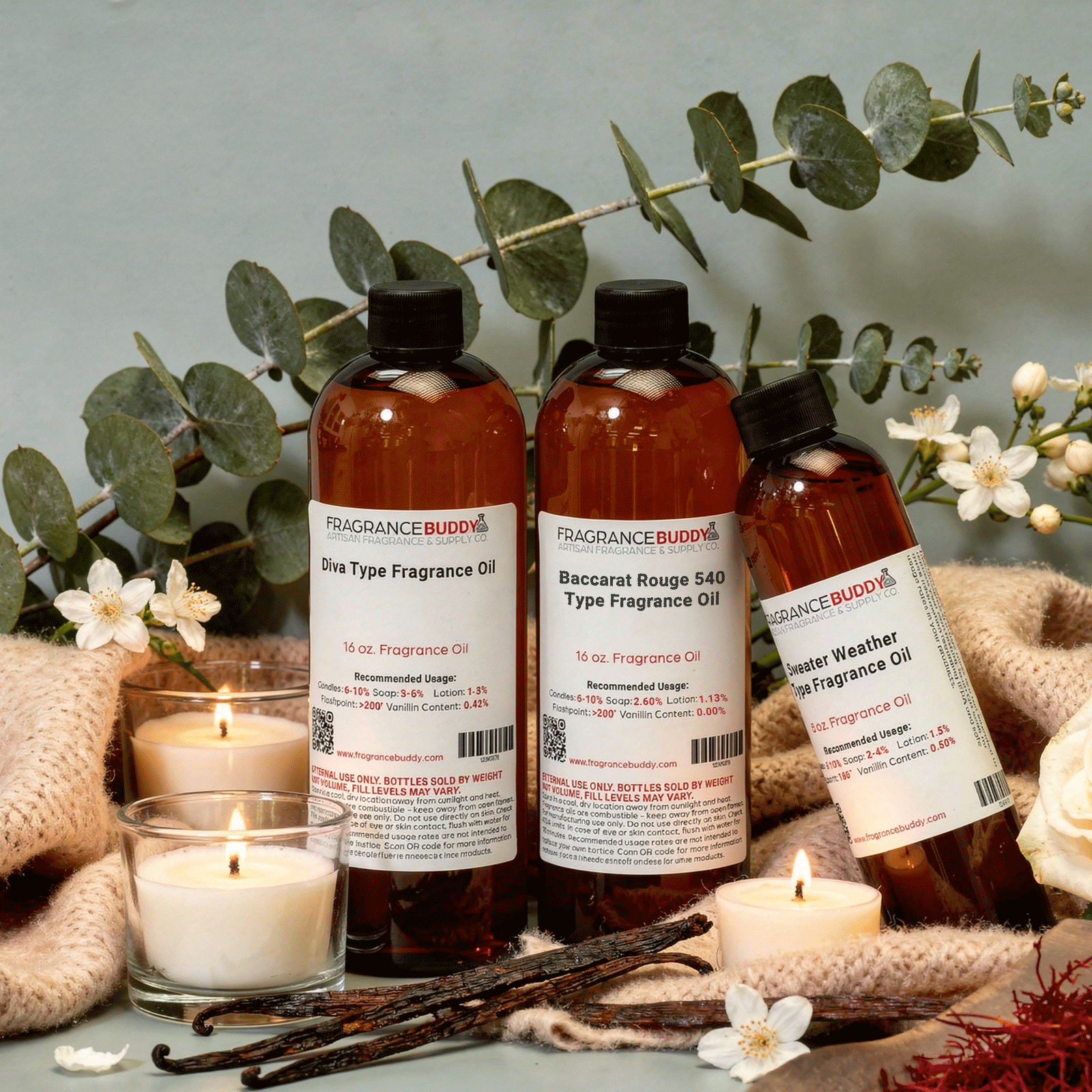
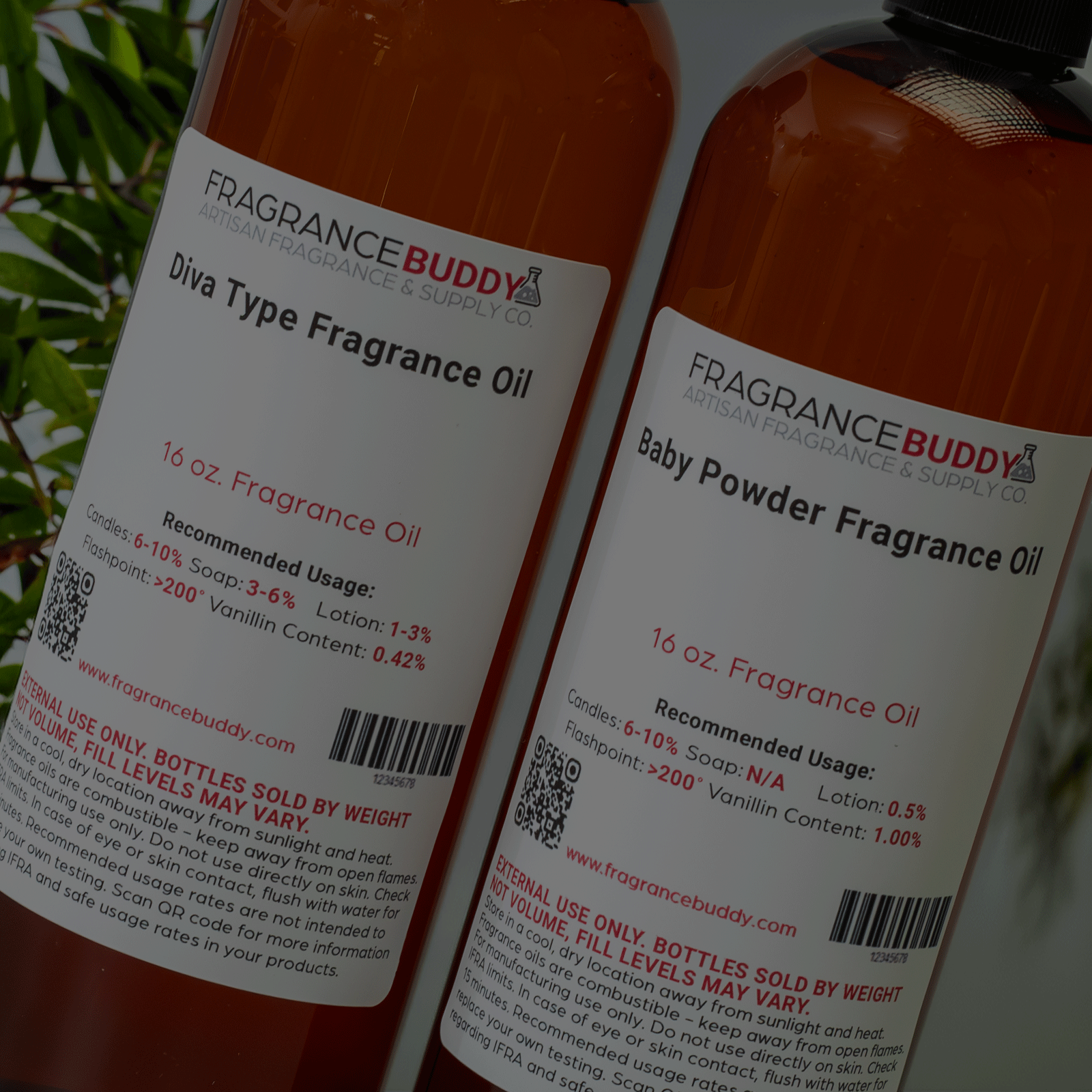
Always stay within recommended usage rates for your fragrance oils.
Skipping Safety Gear
Safety is especially important when working with lye-based soap.
Skipping protective gear can put you at risk of:
- Skin irritation or burns
- Eye injury
- Respiratory irritation from fumes
Basic safety equipment like gloves, goggles, and proper ventilation is essential.
Not Testing Small Batches First
Jumping straight into large batches is one of the most expensive beginner mistakes.
Small test batches help you:
- Evaluate fragrance strength
- Check texture and performance
- Avoid wasting ingredients
- Make adjustments quickly
Testing first saves both time and money.
Rushing Cure Time
Cold process soap needs time to fully cure.
During curing:
- Water evaporates
- Bars harden and improve
- Fragrance stabilizes
Rushing this step can result in softer bars and weaker performance.
Final Thoughts
Soap making is a learning process, and mistakes are completely normal. Every batch gives you new insight into how ingredients, temperature, and timing work together.
With practice and patience, your results will improve with each soap you make.