
If you’re new to making laundry products, the ingredients and terminology can feel overwhelming at first. Words like “surfactants” and “formulation base” sound complicated—but they don’t have to be.
This guide breaks everything down in simple, beginner-friendly language so you can understand what each ingredient actually does.
Detergent Base
The detergent base is the foundation of your product. It provides the core cleaning ability and determines how your formula performs overall.
Different bases can impact things like:
- Cleaning strength
- Thickness or texture
- Overall performance on fabrics
Think of it as the “starting point” of your laundry formula.
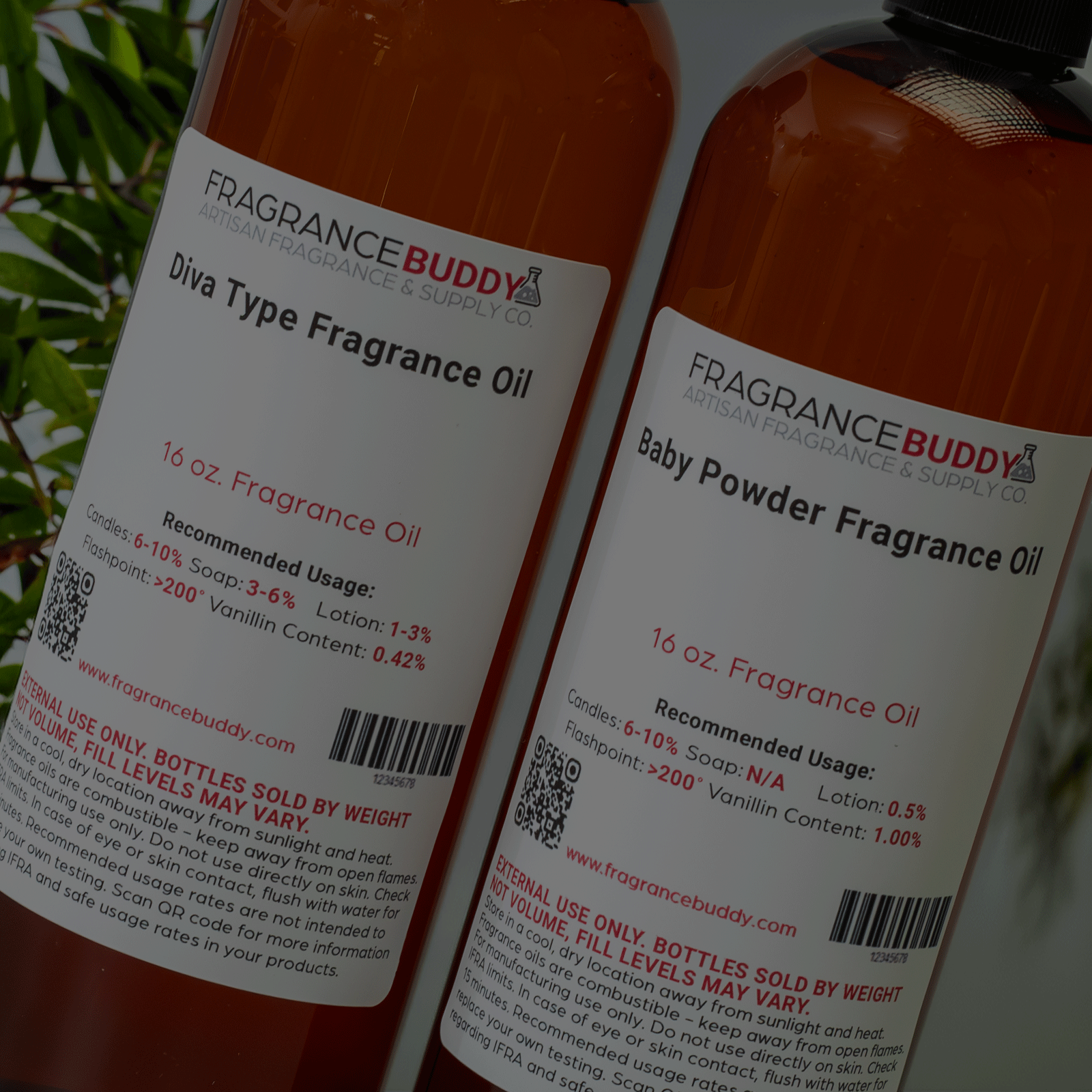
Fragrance Oils
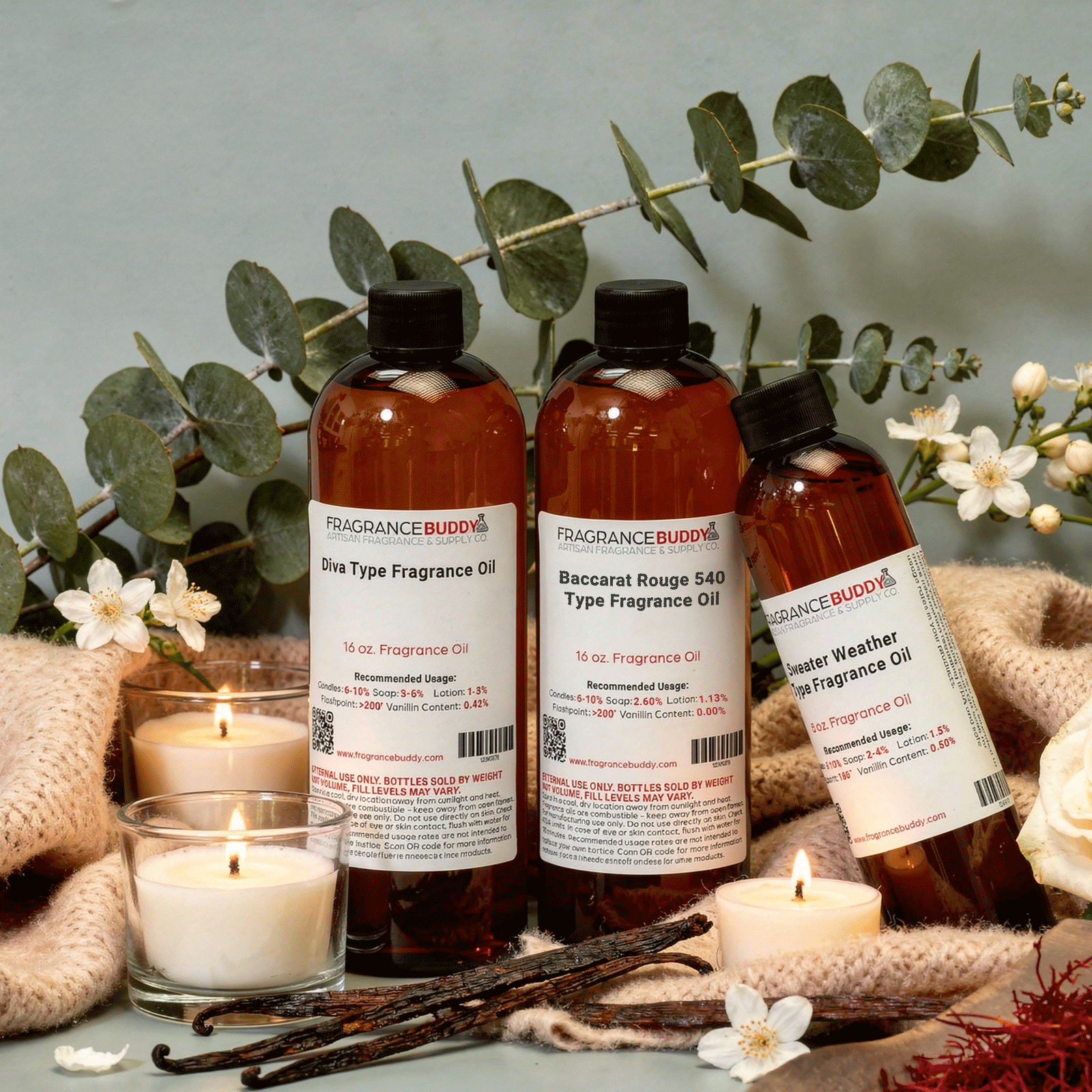
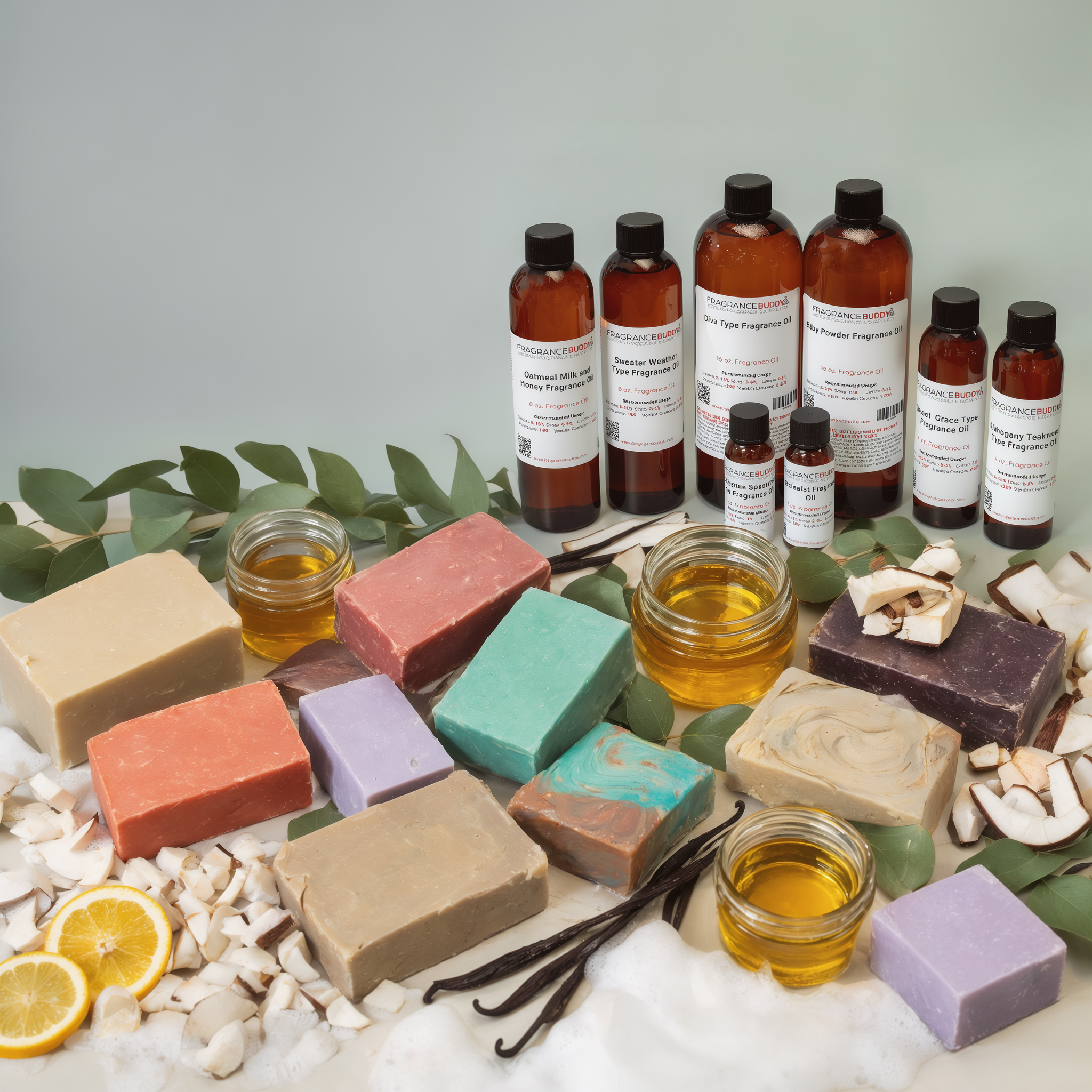
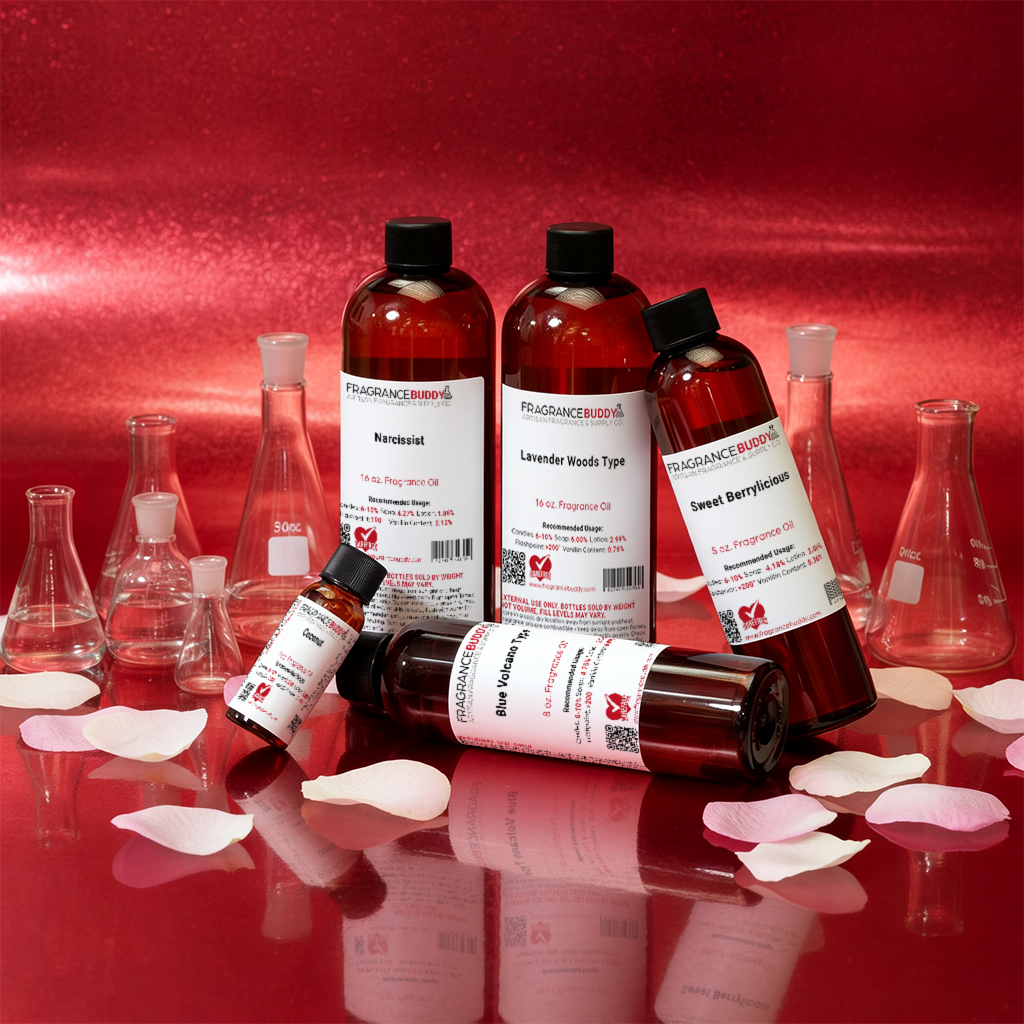
Fragrance oils are what give your laundry products their scent.
In laundry formulations, it’s important to use fragrance oils that are specifically designed to be laundry-safe. These are made to hold up through washing and cleaning cycles while still leaving a pleasant scent behind.
Surfactants
Surfactants are one of the most important parts of any detergent.
In simple terms, surfactants help:
- Lift dirt and oils from fabric
- Break down grime during washing
- Allow water to clean more effectively
Without surfactants, detergent wouldn’t actually clean—it would just be scented water.
Preservatives
Some liquid laundry products require preservatives to help maintain product stability over time.
They help prevent:
- Bacteria growth
- Mold formation
- Product spoilage
Whether you need a preservative depends on your formula and ingredients, but they are important for many water-based products.
Bottles and Packaging
Once your product is made, packaging becomes important.
Good bottles help:
- Protect product integrity
- Prevent leaks or contamination
- Improve overall presentation
Even in early testing stages, using reliable containers makes a big difference in how your product performs and feels.
Final Thoughts
You don’t need complex chemistry knowledge or expensive equipment to start making laundry products. Once you understand the basics of each ingredient, formulation becomes much easier.
Start simple, test your formulas, and learn as you go—that’s where real progress happens.