Beginner’s Guide: Room Spray Supplies You Actually Need to Get Started
If you’re new to making room sprays, shopping for supplies can feel overwhelming fast. Between fragrance oils, bottles, bases, measuring tools, and endless packaging options, it’s easy to think you need a huge setup before you can even begin.
The good news? You really don’t.
When starting out, keeping things simple is the smartest move. You only need a handful of essentials to begin testing scents, learning formulations, and creating room and linen sprays you’re proud of.
Must-Have Supplies for Beginners
Before you hit “add to cart” on everything, focus on the basics. These are the supplies that actually matter when getting started.
1. Spray Base
A spray base is the foundation of your room spray formula. Think of it as the ingredient that helps carry fragrance and create a smooth, usable spray.
Choosing a quality spray base can help improve scent performance and make formulation easier for beginners.
Why you need it:
It’s the core ingredient that brings your spray together.
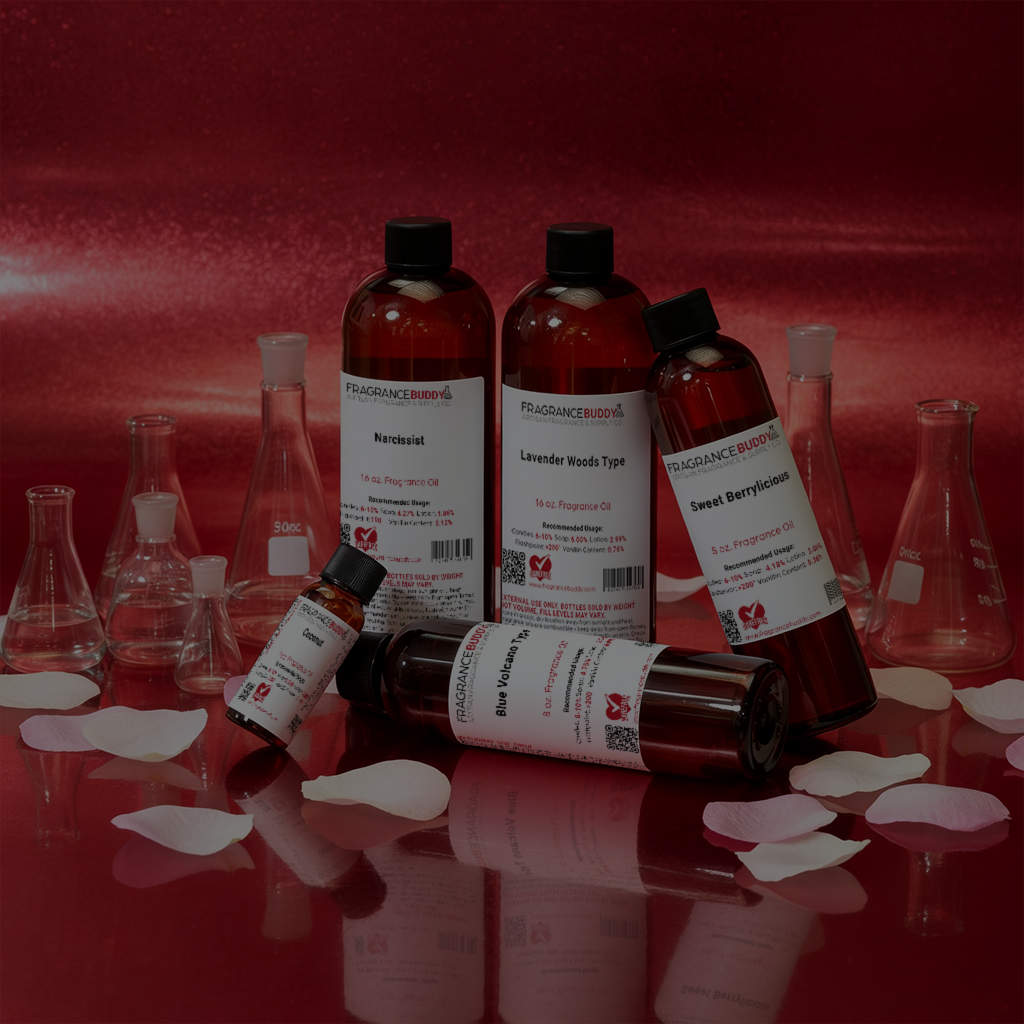
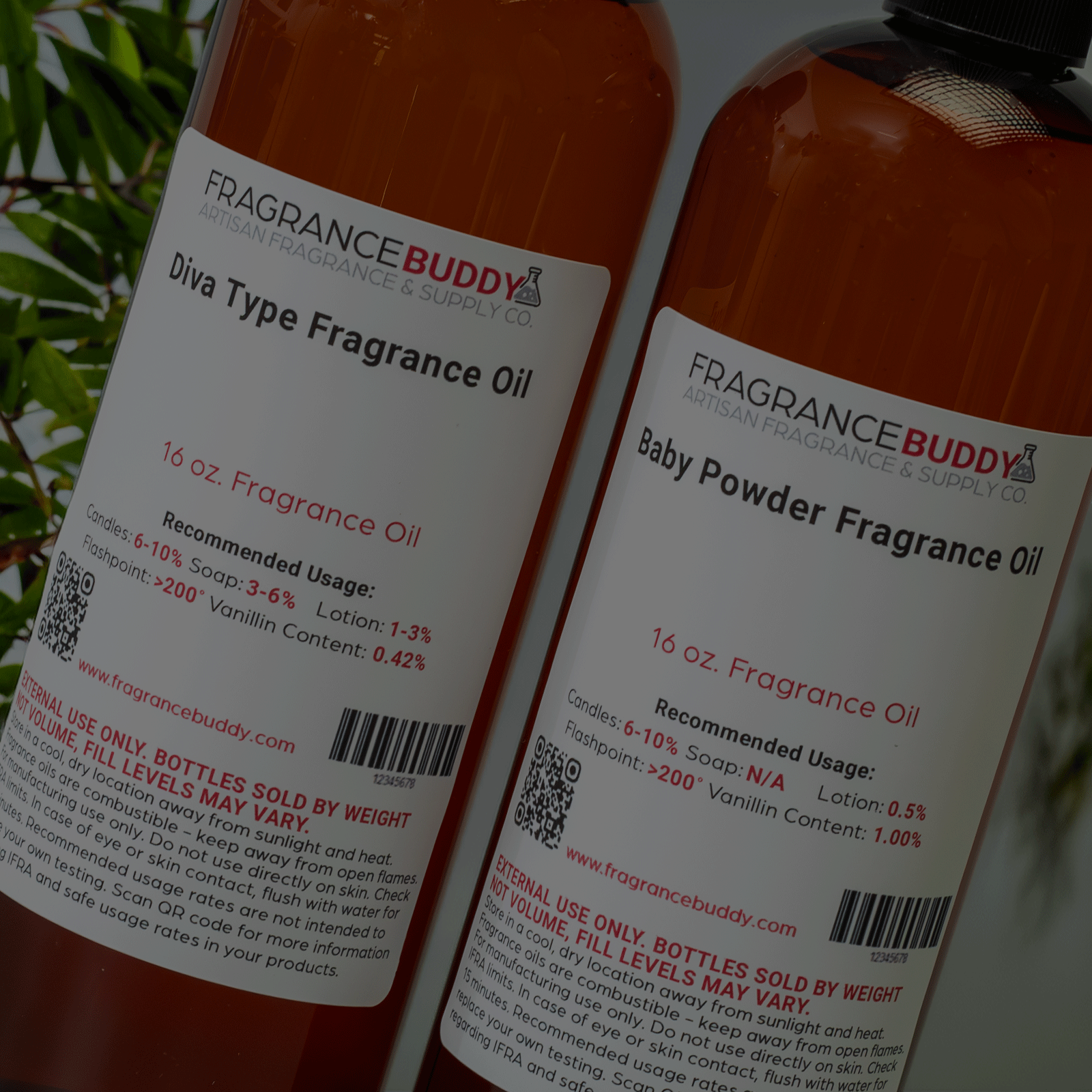
2. Fragrance Oils
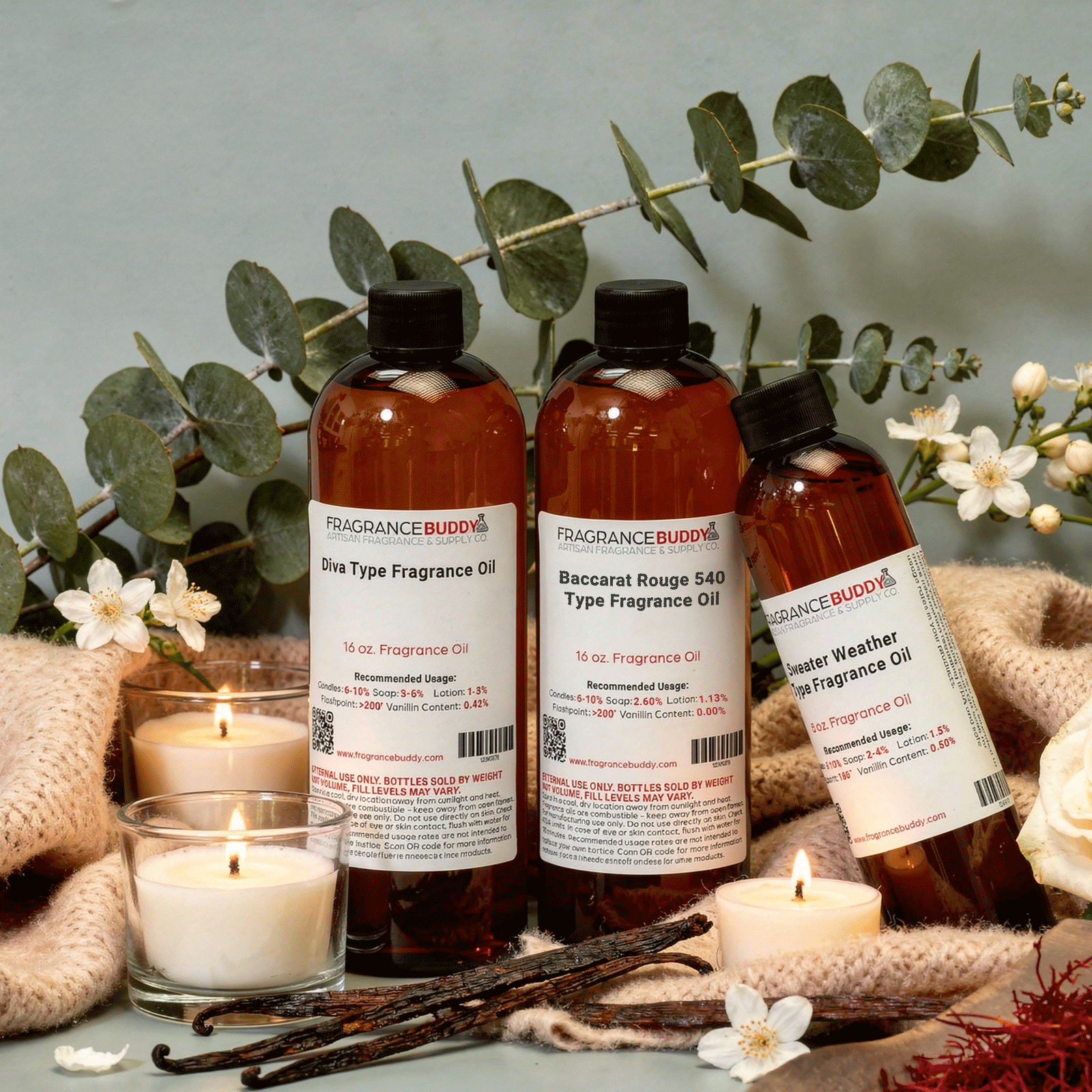
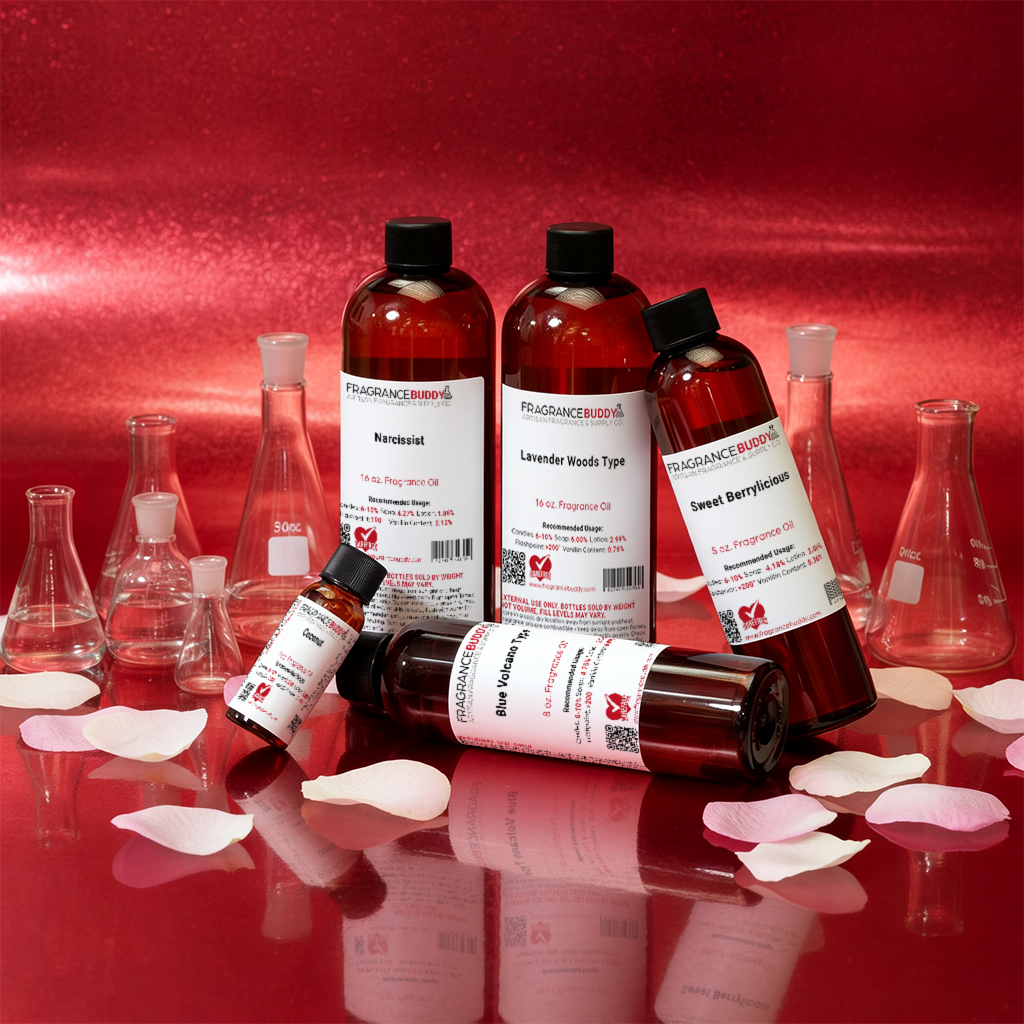
This is where the fun begins. Fragrance oils give your room and linen sprays their scent and personality.
Whether you love fresh laundry aromas, fruity blends, cozy vanillas, florals, or luxury-inspired scents, start with a small selection and experiment.
A common beginner mistake is buying too many fragrances too quickly. Instead, start with 5–10 versatile scents and test what works best.
Why you need it:
No fragrance = no room spray.
3. Spray Bottles
You’ll need bottles to package and test your sprays. For beginners, simple spray bottles work perfectly.
Start small and test before investing in fancy packaging. A good bottle and sprayer can make a big difference in how professional your final product feels.
Why you need it:
You need something functional to hold and spray your formula.
4. Measuring Tools
Consistency matters—even for beginners.
Using measuring cups, graduated cylinders, pipettes, or a small digital scale can help you recreate successful formulas and avoid wasting ingredients.
Nothing is worse than making a scent you love and not remembering how you made it.
Why you need it:
Helps ensure your formulas stay consistent.
Nice-to-Have Supplies (But Not Required)
Once you’ve mastered the basics, these extras can make the process smoother and help elevate your products.
Funnels
Funnels make pouring easier and can save you from spills and wasted product—especially when filling smaller spray bottles.
Labels
Even if you’re just testing at home, labels help you stay organized.
Trust us: after making several scent variations, “mystery bottle #4” stops being funny.
Add fragrance names, testing notes, or dates so you can keep track of what works.
Decorative Packaging
Planning to gift your sprays or eventually sell them? Decorative packaging can help create a more polished presentation.
Boxes, shrink bands, branded labels, or tissue paper are nice touches—but they’re not something you need to stress about on day one.
What Beginners Usually Don’t Need (Yet)
One of the biggest mistakes new makers make is overspending before they even know what they like creating.
Here are a few things you can safely skip at the beginning:
- Large production equipment
- Commercial filling machines
- Massive fragrance inventories
- Expensive packaging tools
- Bulk packaging orders before testing products
Keep it simple while you learn.
Your first goal is not perfection—it’s testing, learning, and finding fragrances and formulas you genuinely love.
Beginner Tip: Start Small and Test Often
Instead of making large batches immediately, create small test sprays first.
Testing allows you to experiment with scent strength, bottle styles, and formulations without wasting product. Plus, you’ll learn faster by making adjustments as you go.
Many successful makers started with just a few fragrances, a spray base, and a small workspace.
Final Thoughts
You do not need a huge workshop, expensive equipment, or hundreds of fragrances to start making room and linen sprays.
A simple setup, quality ingredients, and some experimentation can take you a long way. Start small, test often, and focus on learning the process before investing heavily.
Sometimes the best products begin with the simplest supplies.