
Room Spray Ingredients Explained: A Beginner-Friendly Guide
If you’re new to making room sprays, some of the ingredients and terminology can sound confusing at first. The good news? You don’t need to be a chemist to get started.
Here’s a simple breakdown of common room spray ingredients and what they actually do.
Spray Base
A spray base is the foundation of your room spray formula. It helps disperse fragrance and affects things like clarity, performance, and how the spray feels when used.
Different spray bases may perform differently, which is why testing is important.
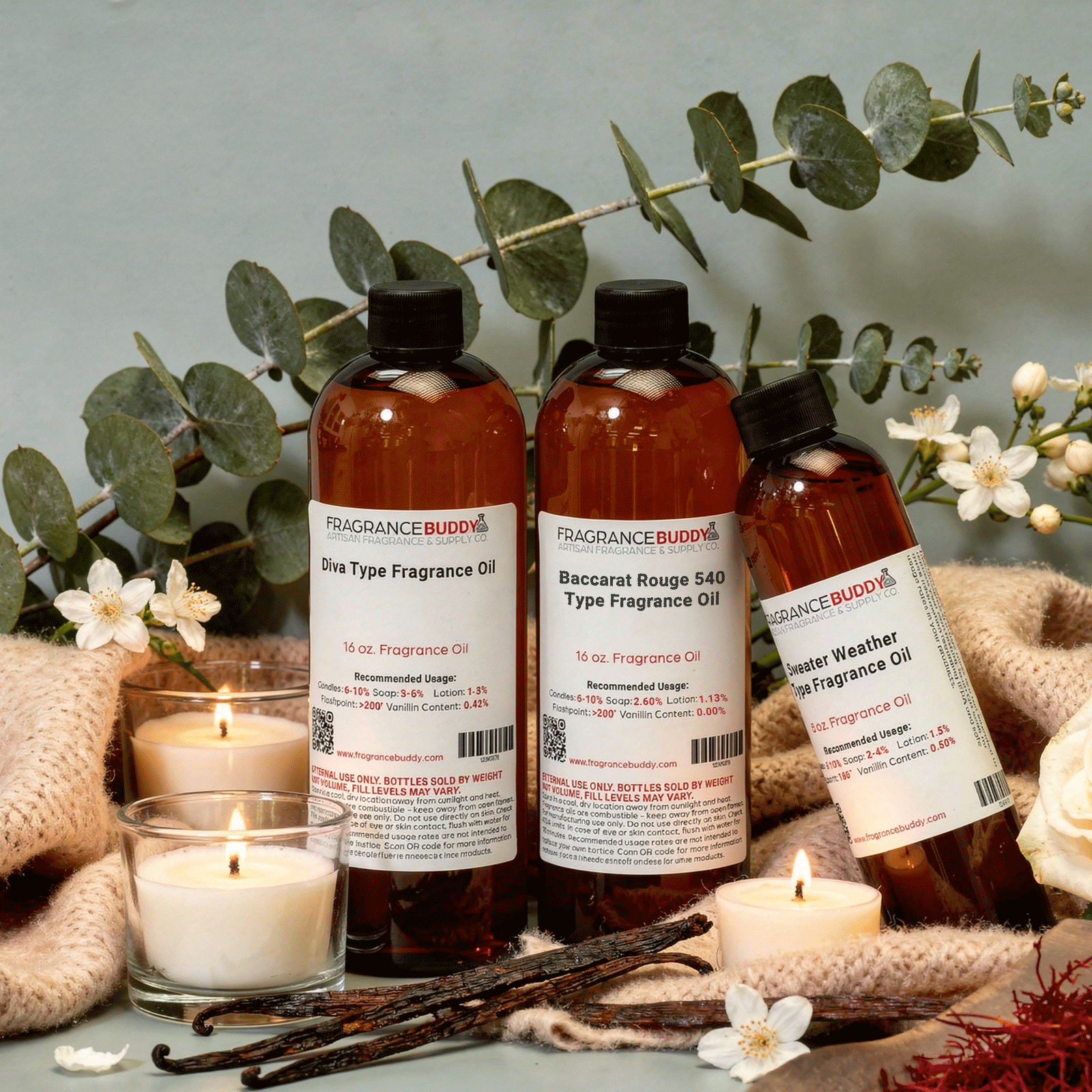
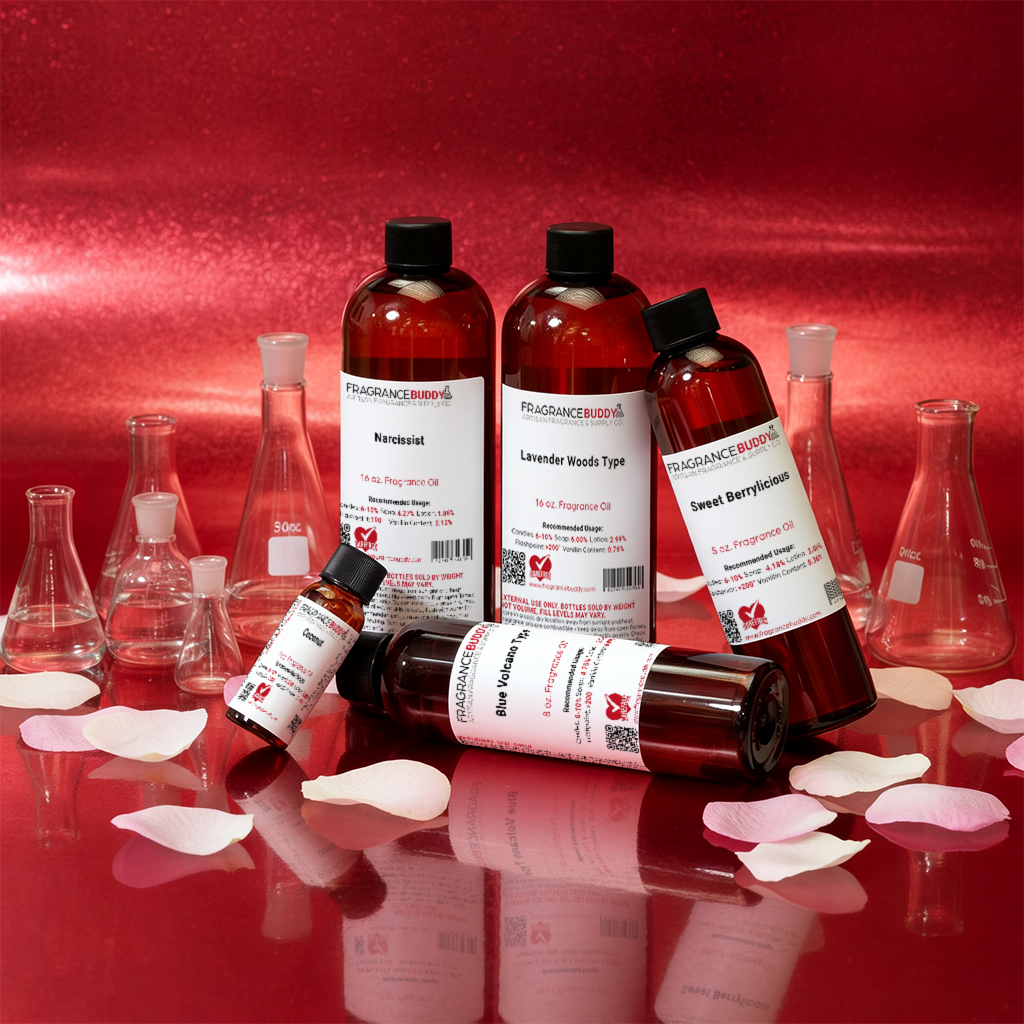
Fragrance Oils
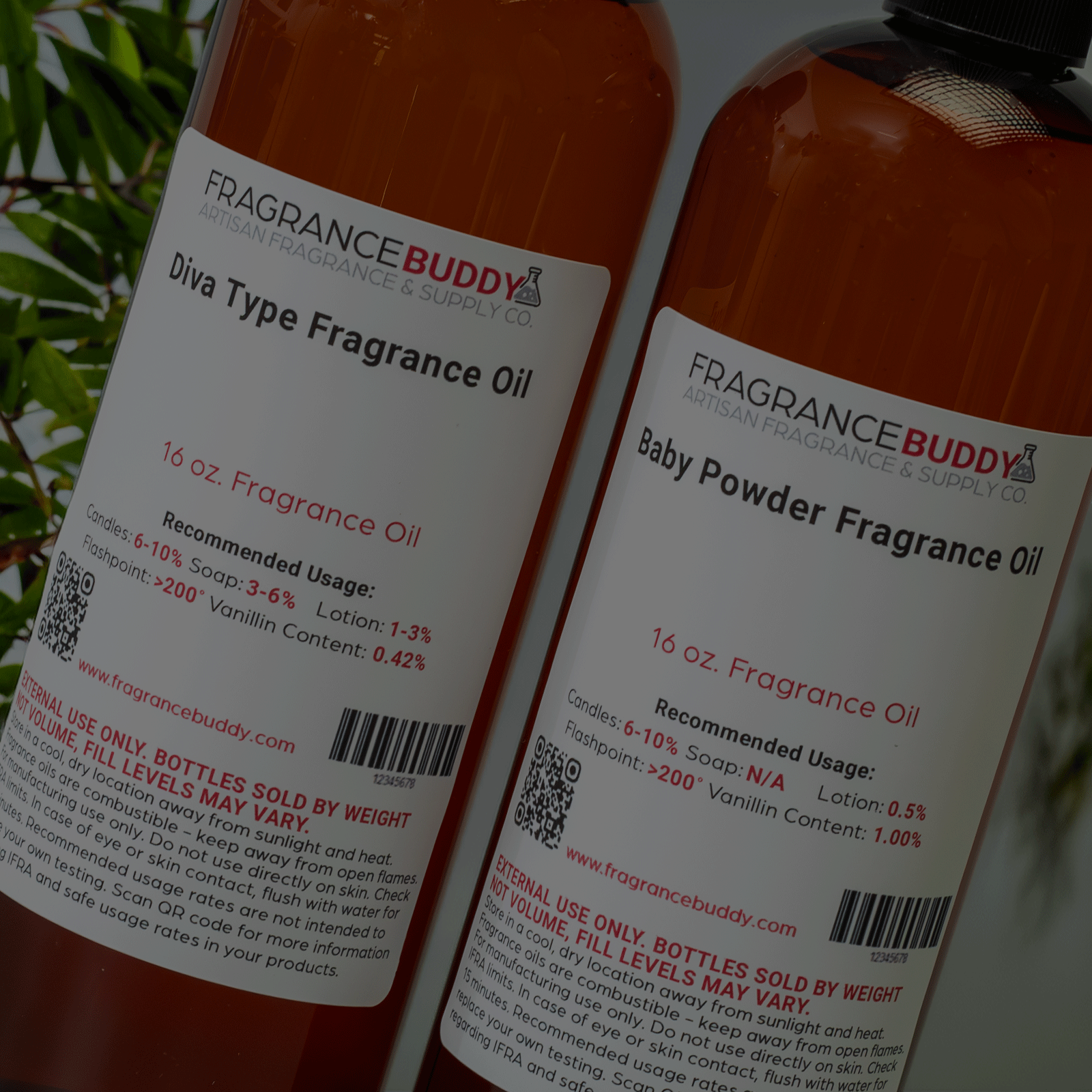
Fragrance oils are what give your room or linen spray its scent.
Whether you prefer fresh, fruity, floral, cozy, or luxury-inspired fragrances, choosing high-quality oils can make a big difference in performance and scent strength.
For best results, use fragrance oils approved for room or linen spray applications.
Solubilizers
Solubilizers help fragrance oils mix evenly into water-based products.
Without proper mixing ingredients, oils may separate, float, or create a cloudy appearance. Solubilizers help create a smoother, more consistent formula.
Preservatives
Some room spray formulas may require preservatives to help prevent bacteria, mold, or product spoilage—especially depending on the ingredients being used.
Whether you need one depends on your formula and formulation method.
Spray Bottles
Once your spray is ready, you’ll need a bottle to store and apply it.
A quality sprayer can make a surprising difference in the overall experience by creating a smooth, even mist.
Final Thoughts
Making room sprays doesn’t have to feel complicated. Start with simple ingredients, learn what each one does, and focus on testing as you go. Beginner-friendly formulas are often the best place to start.